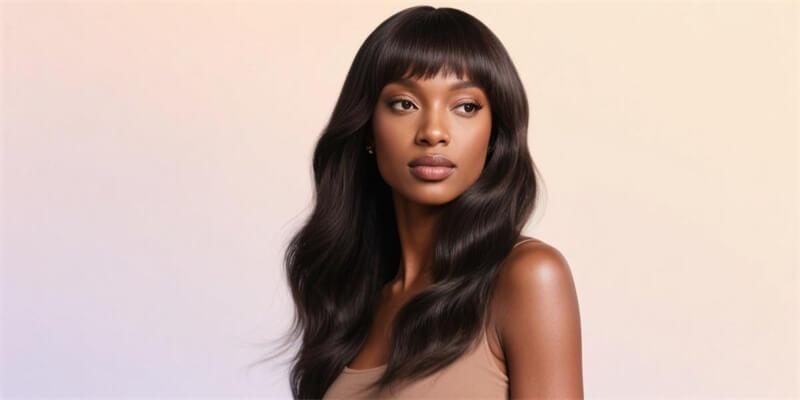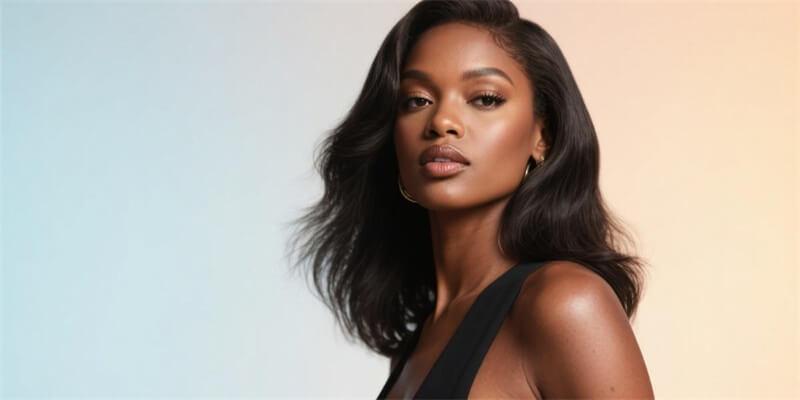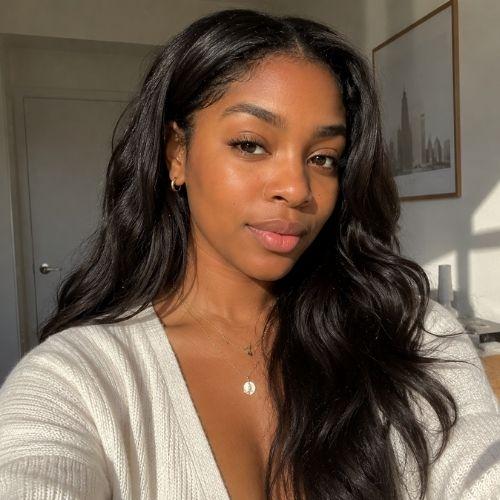
If you've got fuller cheeks or a round face, you've probably done this: fallen for a cut in a photo, then paused and wondered whether it would suit your face shape at all. That hesitation is completely normal. You don't need sharp cheekbones or a defined jawline to wear hairstyles for chubby faces well; you need a cut that works with the features you already have. Face-framing layers, angled bobs, soft waves, and butterfly cuts all add shape and create balance, and they bring out your best features once the proportions are right. So instead of guessing in front of the mirror, have a look at these 10 flattering hairstyles and see which one suits you.
What Makes a Hairstyle Flattering for Chubby Faces?
To make cuts that flatter a rounder face, understand its structure. The goal isn't to slim the face, but to create balance and a clever illusion.
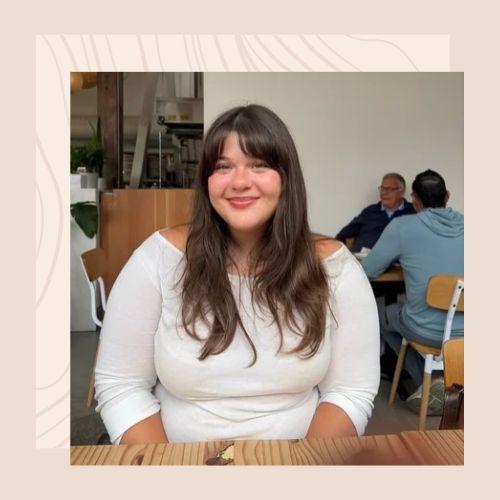
Image source: @Pinterest
Common Features of Chubby Faces
A chubby (or round) face tends to have a few things in common:
- Full cheeks. There's a little extra softness in the cheeks — usually the most noticeable feature.
- A softer jawline. Instead of a sharp angle from ear to chin, the jaw curves gently.
- A rounded chin. Rather than pointed, the bottom of the face is soft and looks gentle overall.
- Similar width and length. Since the face is roughly as wide as it is long, it appears round rather than oval or angular.
Key Hairstyle Features to Look For
Not every haircut will have the same effect on your face shape. When choosing a style, pay attention to a few details:
- Volume at the crown: A little lift at the roots can make a big difference. Try a layered cut or use a round brush to add some height at the top.
- A side part: If your usual middle part feels a little too flat, try switching to the side. It adds a different shape to your hairstyle and gives your look more dimension.
- The right length around your cheeks: Hair that ends right at the fullest part of your cheeks may add extra width. Longer pieces that fall below the cheekbones or chin tend to create a softer frame.
- Face-framing layers: A few shorter pieces around your face can make a simple haircut feel more flattering. Ask your stylist to start the layers around your cheekbones or jawline, depending on the look you want.
- A little room around the neck: Hair that exposes some of your neck, such as a pixie cut or a shorter bob, can create a lighter, more balanced look. You can also tuck longer hair behind your ears.
10 Best Hairstyles for Chubby Faces
Looking for a new haircut? These 10 styles offer plenty of inspiration, whether you prefer a short, playful cut or long, flowing layers. Here's what makes each one worth trying and who might love it.
Angled Bob
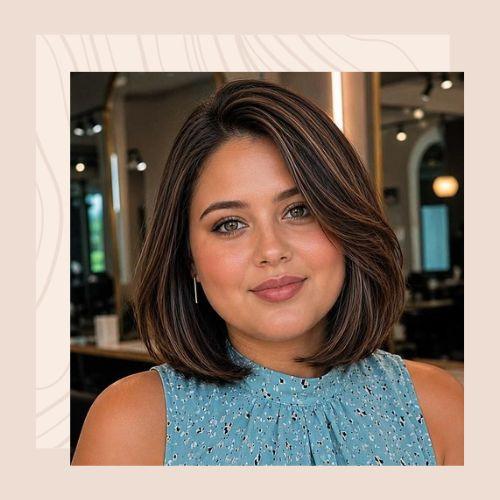
Image source: @Pinterest
A flat, one-length bob can leave short hair looking boxy — especially when the ends sit right at the widest part of the cheeks. An angled bob fixes that by keeping the back short and letting the front gradually lengthen to around the jawline. Those longer front pieces aren't random; they cut across the widest part of the face and visually narrow it. Styling is low-effort: a quick straighten works, or a few loose bends through the front pieces soften the whole shape.
Pixie Cuts with Volume on Top
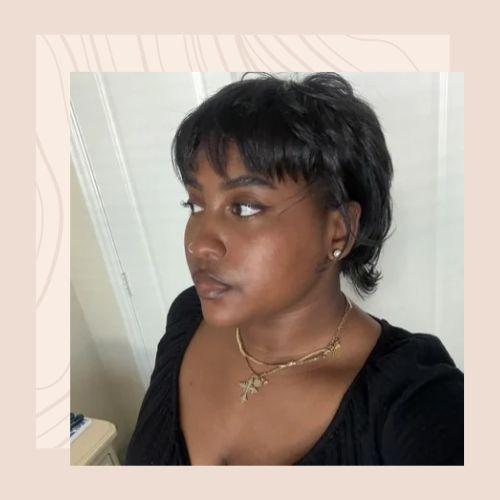
Image source: @Pinterest
The usual worry with a pixie on a fuller face is that it will make the face look wider. The real issue is rarely length — it's the top. Keeping some length on top while trimming the sides short shifts the visual weight upward and lengthens the face's proportions. Most flat-looking pixies come down to one thing: not enough length left on top. A little styling cream worked through the top with the fingers is usually all it takes.
Soft Wolf Cut with Bangs
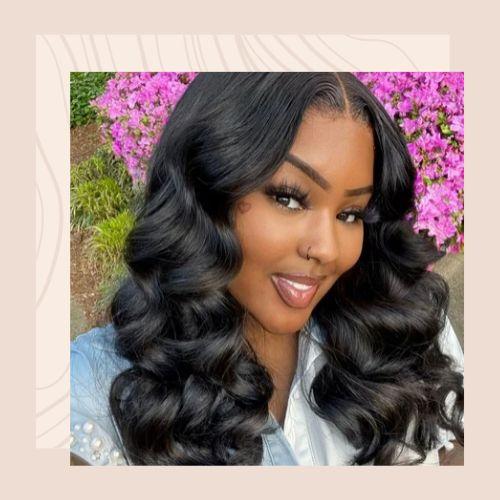
Image source: @Pinterest
A soft wolf cut sits somewhere between a shag and a mullet — layered and messy, but without the shaved-sides aggressiveness of a true mullet. Short layers around the crown build height, while longer pieces around the face keep the shape from turning round. Pair it with wispy bangs, but keep them thin. A heavy, solid fringe across the forehead will flatten the face rather than frame it.
Shaggy Cut
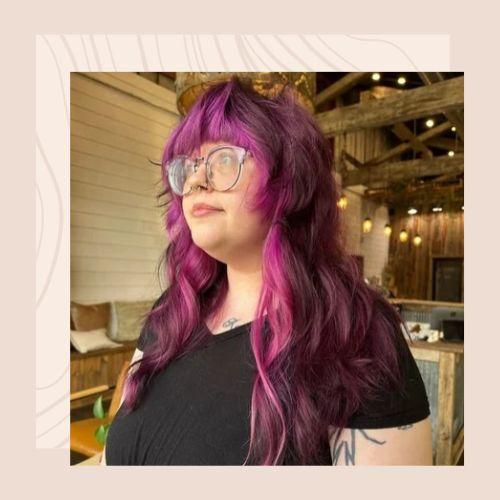
Image source: @Pinterest
For hair that needs movement, a shaggy cut does a lot of the work on its own. Choppy layers throughout, shorter near the crown for volume, longer through the lengths to keep the silhouette balanced. On fuller cheeks, the key instruction for the stylist is to keep the shortest layers at or below the cheekbones — not cutting straight across the widest point. Get that right, and the cut looks relaxed rather than round.
Textured Crop Cuts
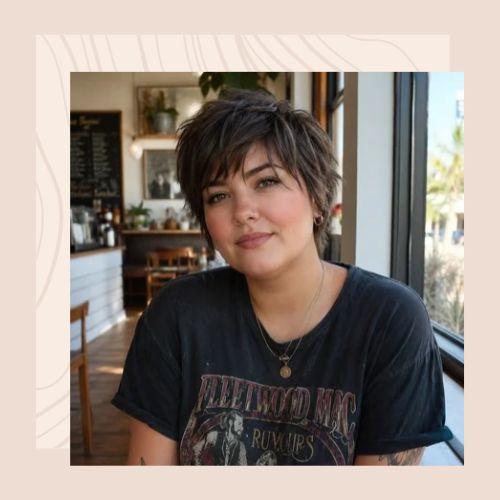
Image source: @Pinterest
A textured crop keeps the sides and back close while the top carries choppy layers for shape and volume. That contrast is what stops the haircut from looking like a helmet around the cheeks. Styling is about as simple as it gets: a bit of texturizing product worked through the top with the fingers. One caveat — on coarse or thick hair, don't leave the top too long or it will stand up rather than sit.
Butterfly Haircut
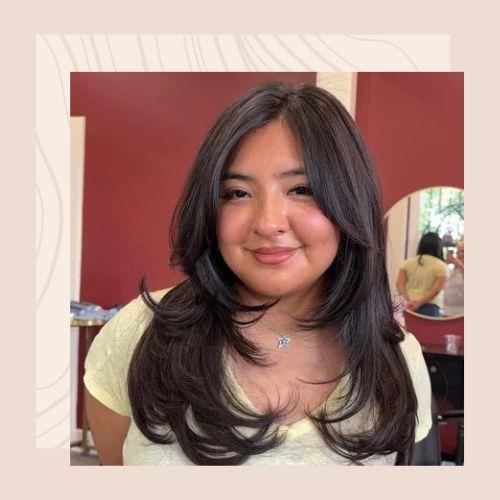
Image source: @Pinterest
Long hair doesn't have to mean one length. The butterfly haircut pairs shorter face-framing pieces with longer layers through the back, so the cheekbones get shape without sacrificing overall length. The front sections do the framing; the longer layers keep everything flowing. A round brush through the front pieces gives that bouncy, turned-away finish the cut is known for.
Deep Side Parts
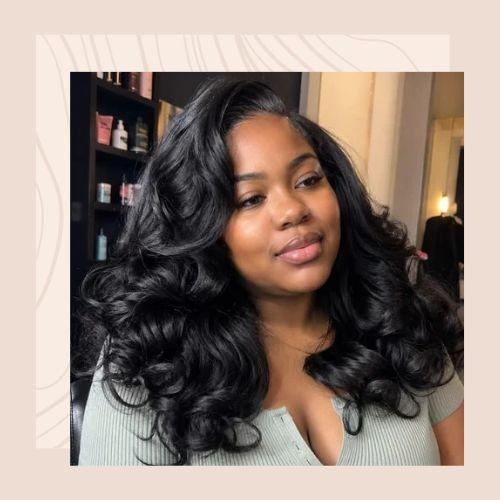
Image source: @Pinterest
A new haircut isn't always necessary. Switching to a deep side part changes how the hair frames the face on its own — sweeping everything to one side creates an asymmetrical line and lifts volume at the roots, so the style stops looking flat. Works with straight hair, loose waves, or a full blowout.
Curtain Bangs with Long Hair
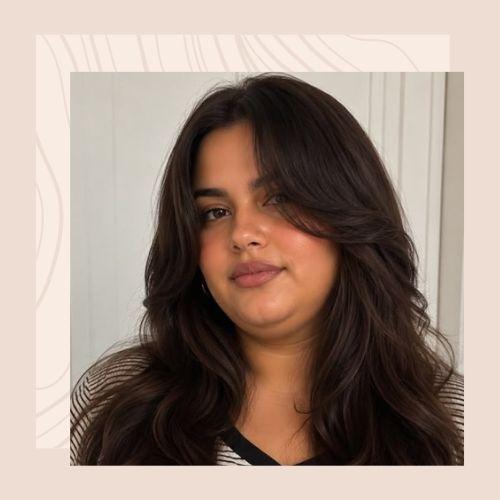
Image source: @Pinterest
Curtain bangs change the front of a hairstyle without touching the length. They part in the middle and sweep to either side, blending into the rest of the hair. Compared with thick, blunt bangs, the softer shape leaves more forehead visible and frames the face more naturally. Ask the stylist to blend the ends into longer pieces around the cheekbones rather than stopping them abruptly.
Face-Framing Layers
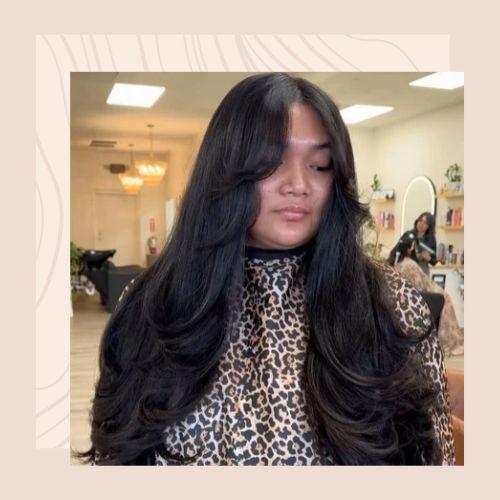
Image source: @Pinterest
Sometimes a few well-placed layers are enough. Face-framing layers are shorter sections around the front that gradually blend into the longer lengths, breaking up the outline around fuller cheeks and softening the overall shape. Keep them subtle for an everyday look, or take them a little shorter for more visible movement.
Soft Waves Below the Ears
Image source: @Pinterest
Waves add movement to long hair, but starting them too high creates volume right where fuller cheeks don't need it. Keep the upper section relatively smooth and let the waves begin below the ears — sleek roots, flowing ends, a balance that's hard to get wrong. A curling iron or heatless rollers both work; loosen the waves with your fingers afterward so they don't look too uniform.
FAQs about Hairstyles for Chubby Faces
What is the Most Flattering Hairstyle for a Chubby Face?
There isn't one perfect hairstyle for every face, but long hair with face-framing layers and an angled bob are both great options. They create a softer outline around the cheeks and add definition to your overall look. You can also try a side part or layers around the jawline to give your hairstyle more shape. The best choice depends on your hair texture, length preference, and personal style.
Are Short Hairstyles a Good Choice for a Chubby Face?
Yes! As long as they’re not too flat, short hairstyles can be one of the most flattering. Try an angled bob, a textured crop, or a pixie with some volume to add length and highlight the jawline and neck. Avoid anything that excessively puffs out on the sides or ends directly at the cheeks with a blunt cut.
Should I Go Short or Long If I Have a Chubby Face?
Either can be perfect - the important thing is shape rather than length. For long hair, focus on adding some movement and layers to avoid making it a heavy blanket over the face. For short hair, aim to add height on top and keep the sides close. Choose based on your personality and how you prefer to style your hair, then use layers and volume to suit your face shape.
What Kind of Bangs Work Best for a Chubby Face?
Try wispy, curtain, and side-swept bangs! These styles can soften your forehead, frame your eyes, and gently fall around your cheeks without creating a hard horizontal line. Avoid thick, straight bangs that can make your face look shorter and wider. To get the most flexibility, request slightly angled or feathered bangs.
Is a Middle Part or a Side Part Better for a Chubby Face?
Try a side part - this tends to be the better option because it adds a diagonal split that helps to counteract a round face. Additionally, a deep side part that allows one cheek to be covered by hair can make your face appear narrower. That said, you can also go with a middle part by keeping the sides slightly smooth while adding volume on top - using curtain bangs can also look great with this choice.
What Hairstyles Should I Avoid with a Chubby Face?
Avoid flat hair without any volume at the root, thick straight-across bangs, heavy side puff, and blunt ear-length bobs. Overall, anything that either adds width to the sides or creates a hard horizontal line over the cheeks will be one to avoid. Opt for styles that show some neck, frame the cheeks softly, and add a little height on top.