
Open Instagram or TikTok right now and you'll see the same cut everywhere: soft, choppy layers that frame the face, a little messy on purpose, and bangs that look like you just rolled out of bed — in the best way. That's the shag haircut, and after five decades it's firmly back.
Born in the '70s and reinvented by everyone from Stevie Nicks to today's salon stylists, the shag is one of the rare cuts that flatters almost every hair texture and length. In this guide, you'll learn what a shag haircut actually is, what it costs, how to style it for your hair type, and — if you're not ready for the scissors — how to try the look without committing.
Quick answer: A shag haircut is a layered cut with choppy, face-framing layers and — usually — fringe bangs. It suits most hair types and lengths, works on straight, wavy, or curly hair, and is one of the lowest-maintenance cuts you can ask for.
What Is a Shag Haircut?
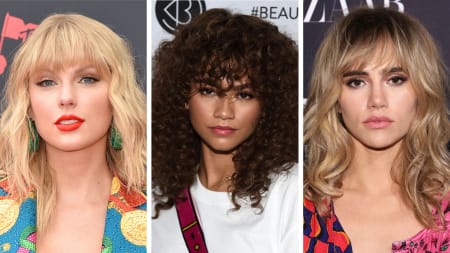
A classic shag is built on layers — lots of them, cut choppy and staggered so the hair moves instead of sitting flat. The modern version keeps that texture and adds softness: face-framing pieces, a little volume at the crown, and a finish that looks undone rather than blow-dried to perfection. The trick is restraint. Layer too heavily and the cut reads dated instead of effortless.
It's not a niche look, either. Vogue even asked whether this undone, layered shape was the haircut of 2025, and stylists are still fielding requests for it. If you like the idea but want a slightly softer finish, the modern wolf cut is the shag's closest cousin — same layered base, a little more polish.
How Much Does a Shag Haircut Cost?
Here's the honest answer: a shag haircut can run anywhere from about $55 to $200 or more, and the gap comes down to one thing — who's holding the scissors. (Prices below reflect typical US salon pricing as of 2025.)
A stylist who specializes in textured, shaggy cuts and knows how to build layers without making you look dated may charge $200 or more. That isn't just a markup. A shag lives or dies by its layering, and a cut that goes wrong can be expensive to fix, so paying for experience often saves money in the long run.
A junior stylist, or a salon in a smaller city, might get you there for $55 to $100. If you're on a budget, book a consultation first and ask to see photos of shag cuts they've actually done.
How Do I Style a Shag Haircut?
The beauty of a shag is how well it adapts to almost any texture and length. A shag is a layered cut at heart, so if you already rotate through layered hairstyles, the routine will feel familiar. Here's how to style yours by hair type. This stylist walkthrough covers the same layering technique used for a modern shag — and for its bolder cousin, the wolf cut:
Styling a Shag on Fine to Medium Hair
Fine-to-medium hair needs all the texture and volume it can get, or a shag falls flat and looks thin. Spray a lightweight styling product onto wet hair from root to tip, then rough-dry with a round brush, lifting at the roots to build height.
Styling a Shag on Thick Hair
Thick hair has the opposite problem: too much bulk. Keep the hair below the occipital bone — the bump at the base of your skull — straighter so the style doesn't look bottom-heavy.
Start with a generous amount of blow-dry cream or spray to cut drying time and add shine. Straighten the ends, then smooth the rest at a 90-degree angle so you don't pile texture onto the roots. Add a little bend with a curling iron, and let the hair cool before combing through — that's what sets the shape.
Styling a Shag on Curly Hair
A curly shag is arguably the best kind: the layers and the curls do most of the work for you. It just needs a little care. Three rules to follow:
- Moisture first. Add extra hydration with a hair mask or leave-in moisturizer. Dehydrated curls read as frizz, so this step isn't optional.
- Skip the towel. A regular towel roughs up the cuticle and creates frizz. Reach for a cotton T-shirt or a microfiber towel instead.
- Apply on wet hair, then let it air-dry. If you're short on time, use a diffuser attachment to speed drying while keeping your curls defined.
And if three products and a diffuser before 8 a.m. sounds like more routine than you actually want, there's a shortcut. A pre-styled shaggy wig with curly bangs comes with soft bangs and a natural middle part already set — no glue, no gel, no diffusing. Adjust the drawstring and go.
How Do I Maintain a Shag Haircut?
Like a bob or a pixie, a shag needs regular trims to keep its shape. Book one every 6 to 8 weeks to maintain the length and layers you asked for. If you like variety, you can stretch it to ten weeks and enjoy the cut as it grows out — a shag is designed to age gracefully.
The trim schedule is the same whether your hair is straight or curly, even though daily styling is not. Curly shags need moisture and definition between appointments; straight shags need a little product to keep from falling flat.
Is a Straight or Curly Shag Better?
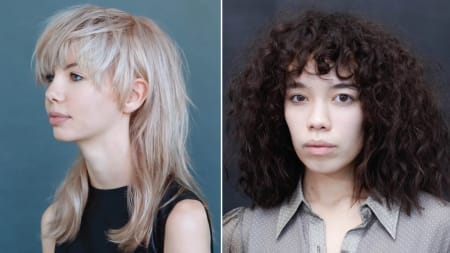
The answer is: both. Unless you're at an extreme — very tightly coiled hair or very fine, thin hair — a shag can work for you. The deciding factor isn't straight versus curly, it's finding a stylist who is used to cutting your specific texture. Bring photos of both versions and ask which one suits your hair's natural movement.
Do Shag Haircuts Have Bangs?
Short answer: usually, but not always. A classic shag haircut typically comes with bangs — either a soft, wispy fringe or a curtain bang. But the style has evolved into plenty of variations. If you love the look but don't want a fringe, ask your stylist for longer, choppy layers that frame the face instead. You'll still get all the movement and texture, just with a little less edge.
If the only thing standing between you and a shag is the fringe — the two-week regret, the awkward grow-out — you don't actually have to cut anything to try it. A ready-to-wear shaggy wig with curly bangs gives you the same face-framing fringe in seconds, and you can take it off whenever you like.
Shag vs. Lob: What's the Difference?
A lob — short for "long bob" — is exactly what it sounds like: a bob that falls around the collarbone. The front is usually cut slightly longer than the back, and it's built with far fewer layers than a shag. Most lobs have no bangs at all.
A shag, on the other hand, is all about the layers: lots of them, heavily textured, often finished with a fringe or curtain bangs. Think of the lob as the polished, low-maintenance cousin and the shag as the one with the messy, lived-in volume. Still weighing up retro options? Our breakdown of the shag mullet and how it compares to other layered cuts covers the whole family.
| Feature | Shag | Lob |
| Length | Short to long, heavily layered | Shoulder to collarbone |
| Layers | Many choppy, staggered layers | Fewer, softer layers |
| Bangs | Usually a fringe or curtain bangs | Usually none |
| Vibe | Textured, undone, rock 'n' roll | Sleek, geometric, polished |
Shag Haircut Inspiration: 6 Looks to Try
These are the shag variations clients ask for most often right now — save the one that looks like your hair.
1. The New Shag
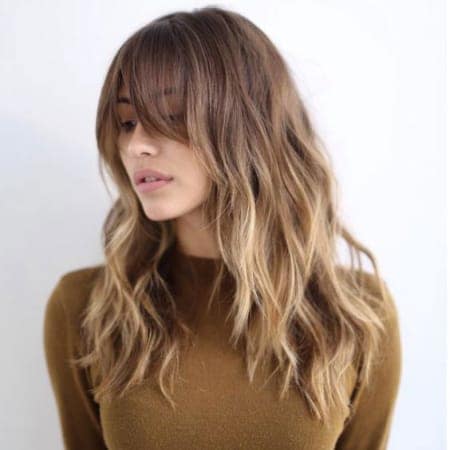
The new shag uses softer layers to create a less choppy, more feminine version while keeping the shape and feel of a classic shag. It features bangs, waves, and plenty of layers, and you can wear it as long as you want. Best for anyone who wants the vintage feel without a hard edge — and if you like this softer layering, the butterfly cut takes the same idea in a bouncier direction.
2. Sleeker Shag
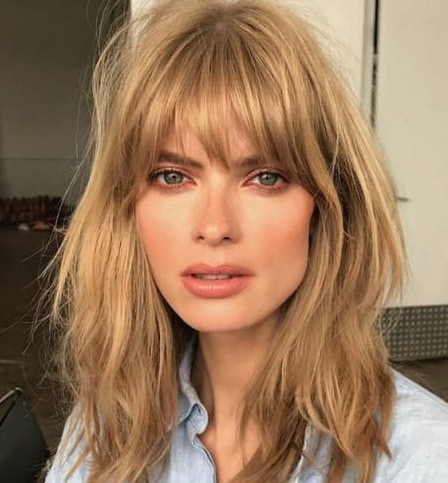
This modern take has less messiness and sleeker locks while still keeping the tousled texture and bangs. Finish with a smoothing serum or oil once the hair is dry. Best for straight-to-wavy hair that wants texture without the frizz.
3. Old School
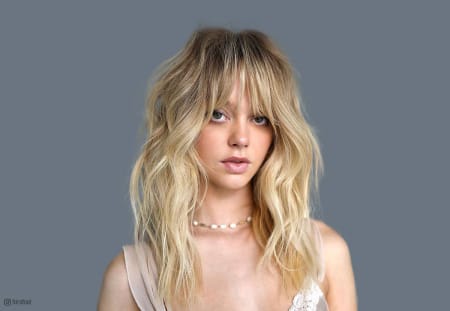
This is about as close to a true '70s shag as most people should go, with just the slightest modern edge. Best for anyone chasing the original reference — bring a photo, because the layering is specific.
4. Shaggy Bob
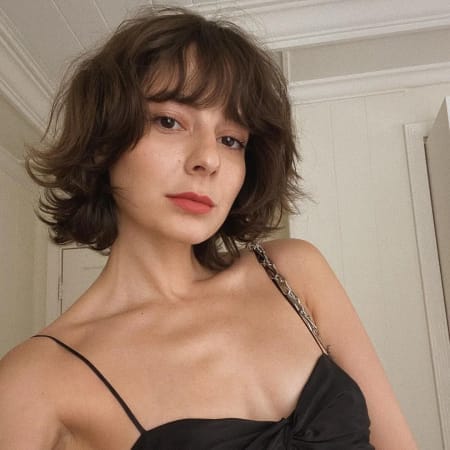
This French-inspired bob has bangs and a shorter length, giving it a choppier feel. Oval faces carry it most easily; if your face is round or heart-shaped, ask for a slightly longer version.
5. Shaggy Crop
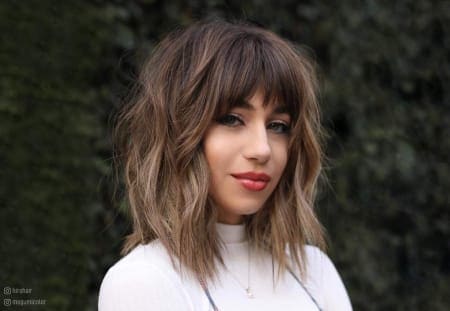
This crop keeps the choppy layers and bangs of a shag but in a slightly stacked, longer crop length. It's easy to wear and still makes a statement — a good pick for fine hair that wants volume.
6. Cropped Top
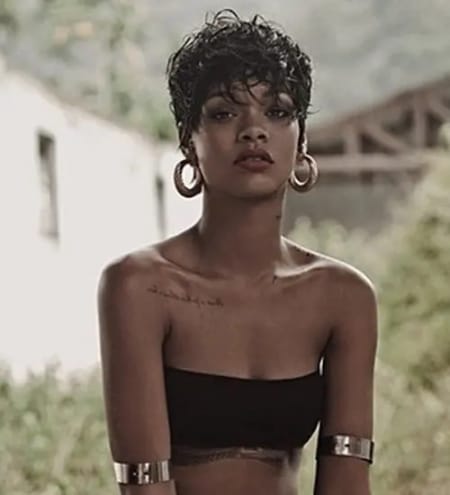
This shag keeps the top half of the layers very short to build volume and shape. Practical and bold in equal measure.
The Bottom Line
A shag haircut, done right, is one of the most versatile cuts you can ask for. It flatters almost every face shape and hair texture, grows out gracefully, and forgives a little humidity. The only real risks are a stylist who over-layers and bangs you end up regretting.
So book a consultation, bring reference photos, and be honest about how much time you'll actually spend styling. And if you'd rather test-drive the look before you commit — or skip the daily routine altogether — a ready-to-wear piece is the easiest way in.
The Shaggy Curly Bangs Wig is glueless, adjusts with a simple drawstring, and comes styled with soft curly bangs and a natural middle part — genuinely beginner-friendly.