
Wigs are one of my favorite beauty shortcuts — they let you change length, color, and style without touching your natural hair. But nothing ruins the effect faster than a wig that slips. Below are seven clear, practical methods to match different lifestyles and needs, with expert tips and natural product mentions from UNice.

Image: Review from @syc10101010
Best Ways to Keep a Wig On (Quick Picks)
Looking for a quick answer to the question of how to best keep a wig on? Check out the picks below for the best way to do so:
- Wig Glue: This is the best choice if you are looking for maximum hold and want to wear your wig for several days straight. This is perfect for achieving the look of melted lace and is best suited for special occasions.
- Wig Grip: Perfect for those looking for a glue-free pick. The wig grip will protect your natural hair and provide the friction necessary to keep the wig from slipping off your head.
- Elastic Band: For beginners looking to affordably add a secure wig to their beauty routine. The elastic band will assist with securing the wig to your head.
- No-Slip Glueless Wig: An all-in-one pick for beginners looking to finally get their wig on without any adhesives. The elastic bands built into the wig will help it stay in place.
All Methods to Keep a Wig Secure
Beyond the above quick picks for the best methods to secure a wig, there are various options available depending on your lifestyle, skin sensitivity, and how long you plan to wear your wig. Each method comes with its own advantages and limitations.
To help you quickly compare them and choose the most suitable option, we’ve created a simple overview table below before going into each method in detail.
| Method | Hold Strength | Glue-Free | Comfort Level | Best For |
| Wig Glue | Very High | No | Medium | Long wear, events, maximum hold situations |
| Wig Tape | High | No | Medium | Lace wigs, alternative to glue |
| Wig Grip | Medium | Yes | High | Daily comfort, sensitive scalp, glue-free wear |
| Elastic Band Wig | High | Yes | High | Beginners, everyday secure wear |
| Silicone Strip | Medium-High | Yes | Medium | Sensitive skin, non-adhesive security |
| Clips & Combs | Medium | Yes | Medium | Extra stability for active wear |
| Wig Cap | Low | Yes | High | Base layer for wig installation |
1. Wig Glue (Maximum Hold)
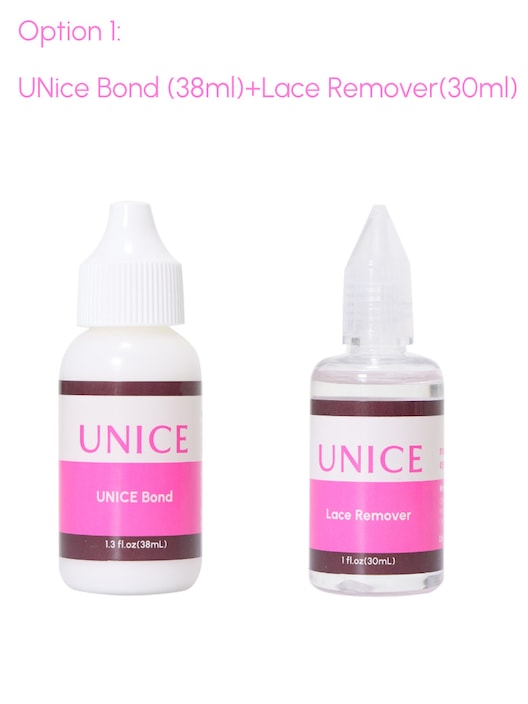
Image: Wig by UNice
Specially formulated glue bonds lace to skin for one of the flattest, most long-lasting hairlines.
👉How to use it
Start with a clean hairline. Apply a thin, even layer of wig glue along the hairline in a well-ventilated space.
Wait until it turns tacky, then lay the lace into place, pressing lightly from the center outward.
Remove with the recommended adhesive remover.
Pros:
- Strongest hold for multiple days
- Ultra-flat finish for a natural look
Cons:
- Requires careful handling and removal
- Possible irritation for sensitive skin
2. Wig Tape (Strong Alternative)
Wig tape is a double-sided adhesive strip made for attaching a wig to skin or to polyurethane (PU) tabs inside a wig. It’s designed for a strong, low-profile bond.
👉How to use it
Begin by gently cleansing the hairline with an alcohol wipe to remove oils and residue. This helps the tape adhere better.
Apply pre-cut strips to the wig’s PU ear‑tabs or to the underside of the lace, peel the backing, then press the wig into place, smoothing from the center toward the temples so the lace lays flat.
Pros:
- Highly secure for long days, travel, and active use
- Low-profile and largely invisible under lace
- Cleans up well with the right remover
Cons:
- Potential for skin sensitivity — patch-test first
For a neater, easier-to-remove setup, consider UNice’s Pre‑Everything wigs, which include PU ear‑tabs designed for tape—pressing tape onto those tabs often creates a cleaner seal and speeds up both application and removal. If you have questions about the ear‑tabs, check our FAQ blog for details.
3. Wig Grip (Comfort Option)
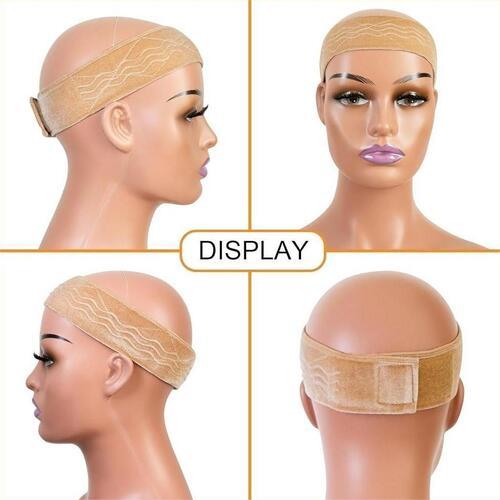
Image source: Pinterest
A velvet wig grip is a soft band worn under the wig that creates friction to prevent slipping.
👉How to use it
Place the band just behind your hairline, making sure it’s smooth and flat.
Adjust for comfort, then slide the wig on over the grip, checking for even placement.
Pros:
- Gentle on edges, no adhesive needed
- Quick to put on and reusable
Cons:
- Less secure in strong winds
4. Elastic Band & Drawstring Wigs (Adjustable Fit)
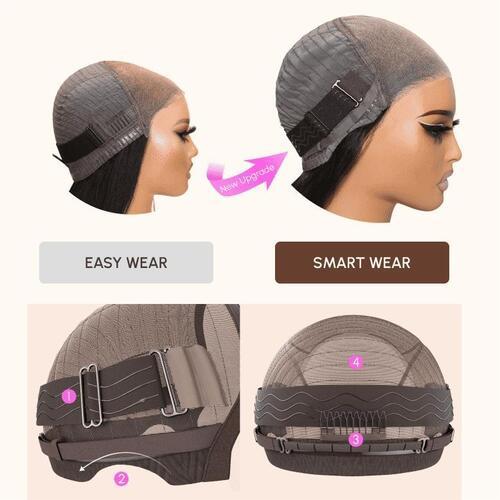
Image: Wig by UNice
Many wigs now come with an elastic band sewn inside the cap for a snug, customized fit. Drawstring wigs are also popular — they combine elastic with an adjustable cord for even more security.
👉How to use it
Sew or clip an elastic band inside the wig cap, adjusting the length for comfort.
For drawstring wigs like those from UNice, put the wig on and gently pull the cord until it feels secure, then tuck the string away. This combo holds up well even during workouts.
Pros:
- Comfortable, discreet hold
- Great for active use without adhesives
Cons:
- Needs proper adjustment for comfort
5. Silicone Strip (Sensitive Scalp Option)
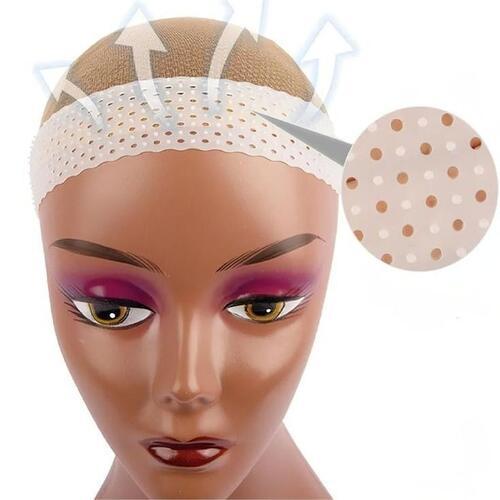
Image source: Pinterest
Silicone grips inside the cap or in a separate band keep the wig in place without glue.
👉How to use it
Sew silicone strips into your wig cap or wear a silicone-lined band under the wig.
Pros:
- Strong hold without adhesive
- Gentle on skin and hair
Cons:
- Can feel warm in hot weather
6. Clips & Combs (Extra Security Layer)
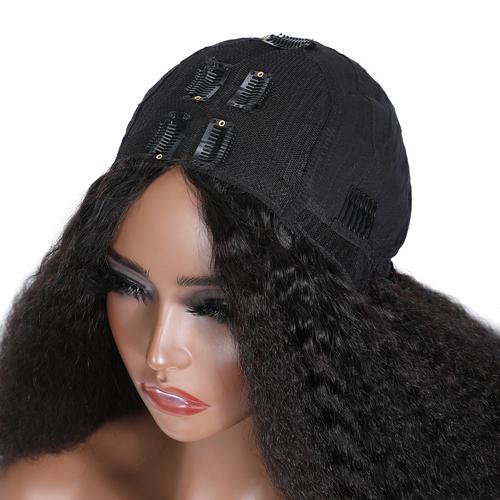
Image: Wig by UNice
Small clips or combs sewn into the cap anchor to your natural hair; bobby pins add extra hold.
👉How to use it
Clip into braids, twists, or a wig cap at the temples and nape.
You can sew extra clips or combs into your wig for a fully customized fit.
Pros:
- Reusable and adjustable
- Allows quick on-and-off changes
Cons:
- Requires hair or a base to grip
7. Wig Cap (Foundation Method)
A smooth, secure base plus a wig cap improves fit and protects natural hair.
👉How to use it
Braid or twist hair flat, or wrap in silk to reduce friction.
Pull on a thin wig cap, smoothing out lumps before installing your wig. Here are 8 common sew-in braid patterns that may inspire you.
Pros:
- Protects natural hair and improves fit
- Helps wigs sit smoothly
Cons:
- Prep takes extra time
How to Keep a Wig On Without Glue
If you have sensitive skin, want to protect your hair edges, or simply prefer a quick daily installation, you don’t need to rely on harsh chemicals. Going glueless is easier than ever. You can instantly secure your unit using the UNice no slip wig is the ultimate game-changer. Featuring a built-in drawstring and anti-slip silicone grids, it delivers 100% security without any glue or tape.
Are you worried that a glueless install won't hold up during a busy day? Get all the facts in our guide: Do Glueless Wigs Fall Off?.
Why Your Wig Keeps Slipping
Nothing ruins a good hair day like a wig that slowly shifts backward. If your wig keeps slipping, it usually boils down to three common culprits: an incorrect cap size, a bulky natural hair foundation underneath, or a lack of proper friction. When your natural hair isn't braided completely flat, or if you skip using a wig grip, the silky cap material has nothing to hold onto.
If you're struggling with a shifting unit, read our step-by-step troubleshooting guide on How to Keep a Wig From Slipping.
FAQs about Putting a Wig On
Can I workout or do sports in a secure wig?
Yes, you absolutely can! To keep your wig secure during high-intensity movement, opt for a high-quality wig grip or an adjustable elastic band rather than heavy glues, which can break down with sweat. For dynamic styling inspiration and expert security tips, read our comprehensive guide on working out with a lace front wig?
How do I keep my wig secure and comfortable in hot weather?
Sweat and oils can cause traditional wig glues and tapes to lift during hot summer days. The best solution for warm weather is switching to a breathable, glueless option like an elastic band or a silicone grip that won't absorb sweat. For a full breakdown of lightweight units and summer-ready styling tips, visit the UNice wigs for summer.
Will securing my wig with grips or bands cause hair loss?
No. In fact, using premium velvet wig grips or adjustable elastic bands is much safer for your hair than using glues or tapes, which can tear your delicate baby hairs during removal. Wig bands and grips distribute the weight of the wig evenly across your head, eliminating tension on your hairline and protecting your natural edges from friction.
Final Thoughts
No single method works for everyone, so it’s worth experimenting until you find your perfect match. Whether you love the security of wig tape, the comfort of an elastic band, or the convenience of sewn-in clips, UNice offers wig styles and features that make each method easier and more effective. The right fit not only keeps your wig in place — it also boosts your confidence so you can enjoy every style without worry.