Can You Workout With a Lace Front Wig? Here's What Happens
I think many people like me have had this thought: can I wear a lace front wig to the gym myself? Because sometimes the urge to work out comes suddenly. But it's hard not to wonder if it will stay perfectly in place while running. What about when I sweat? Anyway, you need to read this blog post, where I've detailed the specific situations you might encounter while working out and shared some of my real experience.
Can You Work Out with a Lace Front Wig?

Yes, you can work out with a lace front wig — but your experience will look very different depending on your activity level and how well your wig is secured.
Here’s what that usually looks like in real life:
👉Light workouts (yoga, stretching, walking)
You’ll likely have no issues at all, especially with a properly fitted wig.
👉Moderate workouts (weight training, cycling)
Sweat starts to build up, which may loosen adhesive or edges over time.
👉High-intensity workouts (running, HIIT, cardio sessions)
This is where things get tricky — constant movement and sweat can increase the chances of slipping, lifting, or discomfort.
So while wearing a wig to the gym is totally doable, choosing the right type of wig and the right way to wear it makes all the difference. Continue reading. Below you'll find my comparison and recommendations for fitness experiences while wearing different types of wigs.
What Happens When You Sweat in a Lace Front Wig?
The most direct effect is that it impacts the appearance and wearing comfort of the lace front wig. Because sweat accumulates around the hairline and scalp, it causes the adhesive to lose its stickiness.
As a result, the lace or wig edges may begin to curl slightly, and the wig may shift slightly, causing the hairline to look less natural than usual. This situation is especially noticeable when running or doing HIIT workouts.
If you are concerned about this situation occurring, it is essential to understand both the underlying causes and the corresponding preventive measures. For a deeper dive into this topic, we invite you to consult our detailed guide on do wigs fall off, we hope you find it helpful.
How to Keep a Lace Front Wig Secure During Workout
It’s actually not complicated at all, as wig manufacturers have developed a variety of improved technologies to help us keep our wigs firmly in place.
For example, many wigs I've used, especially UNice wigs, come with anti-slip straps or drawstrings (this surprised me). If not, you also sew an elastic band into the wig cap.

Image: Wig by UNice
Another way to hold your wig in place is to use wig tape under your wig. It is super comfortable, can stay cool, and grips onto your scalp and wig to hold your wig securely in place.
I also found that low ponytails or braided hairstyles exert less tension on the lace mesh compared to high ponytails. There are many more tips and tricks like these, but I won't go into detail here. You can check out my blog on how to prevent wigs from slipping down and discuss our experiences together.
Best Types of Wigs for Working Out
While theoretically any wig can be considered a gym wig, there are a few specific types of wigs that are the best choice for a gym setting. The good news is that UNice has considered a wide variety of usage scenarios, so you can freely choose any wig that makes you feel comfortable, from style and color to type.

Image: Wig by UNice
For active women, Bye-Bye Slip™ wigs are the ultimate gym essential. Featuring a no-slip silicone grip interior and secure fit design, they stay firmly in place during workouts—no glue, no tape, no slipping. Lightweight, breathable, and sweat-friendly, they keep you comfortable through cardio, weightlifting, and high-intensity training.
Which Types of Wigs are Best for the Gym?
Here's a quick comparison of the most common wig types and how they perform during exercise:
| Wig Type | Workout Suitability | Why It Works (or Doesn't) |
| Lace Front Wig | Moderate | Natural look, but adhesive can loosen with sweat, causing lifting |
| Glueless Lace Wig | High | Secured with bands and combs instead of glue, more stable during movement |
| Headband Wig | Very High | No lace or glue, easy to wear, very secure and breathable |
| Closure Wig | Medium | Less lace exposure, but still may shift during intense workouts |
As you can see from the comparison, I wouldn't really recommend lace front wigs for workouts, since they usually need a bit more care and maintenance during physical activity.
But that doesn't mean you can't still get a natural-looking hairline while exercising. A good option to consider is a glueless lace wig. It's much easier to wear, quicker to install, and can still give you that seamless, natural finish.
That said, the most convenient and arguably most practical choice is definitely a headband wig. These are especially popular for sports and workouts because the headband design means you don't need a lot of adhesive, and it also helps reduce issues caused by sweat buildup.
Which Is Better for A Workout, frontal or closure?
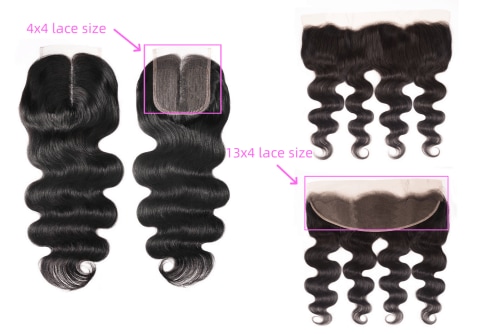
Of course, it is the best choice to opt for a closure wig. As we all know, frontal wigs can give you the effect that the wig is growing directly from your scalp. But they are not the best option when it comes to choosing wigs for the gym, sports, or exercise.
That is because the sweat caused by working out can damage the delicate lace over time. Additionally, if you usually secure your frontal wigs with wig glue or gel, the sweat can also lead the product to loosen over time, thus increasing the risk of your wig slipping off during exercise.
Compared to frontal wigs, closure wigs are easier to apply and remove, making them perfect for gym use.
For a Workout, Long Or Short Wig?

It really comes down to personal preference.
A long wig can easily be tied into a ponytail or braid, which still looks neat and stylish while keeping the hair out of your face and off your neck so you can stay focused during exercise. It also helps reduce direct sweat contact with the lace area.
A short wig, on the other hand, is naturally cooler and more breathable. It helps reduce heat and sweat buildup, especially around the neck, and feels lighter overall, which can make workouts more comfortable.
For a Workout, Human Hair Wig or Synthetic Wig?
Both human hair wigs and synthetic hair wigs can work for workouts—it really depends on your routine and personal preference.
Human hair wigs are generally more expensive and slightly heavier, but they’re easier to wash, dry, and restyle. If you go to the gym regularly, it can be more practical long-term and give you a more natural look with flexible styling options.
Synthetic wigs are more lightweight and budget-friendly, but they’re usually less flexible when it comes to washing and restyling, which can be a bit inconvenient if you exercise often.
✔ Quick tips:
- Use an older wig for workouts if you have one in good condition, instead of your favorite piece.
- If you choose synthetic wigs for the gym, it helps to rotate between two so you always have a backup while one is being cleaned.
FAQs on Working Out While Wearing a Wig
Can sweat ruin a lace front wig?
Yes. Over time, sweat can gradually weaken the adhesive used for wigs, making the hold less secure. It’s not something that happens instantly, but regular exposure to sweat can definitely shorten the lifespan of your install.
Is a glueless wig better for working out?
In most cases, yes. Glueless wigs are much more workout-friendly because they’re easy to put on and remove. They’re also great for busy days when you need something quick and low-maintenance.
Can you run with a lace front wig?
Yes, but make sure it’s properly secured. A wig grip band or sweat-resistant adhesive can really help, especially for high-movement workouts like running. Without enough support, the wig may start to shift during exercise.
How long can you wear a wig during a workout?
There’s no strict rule, but 1–2 hours is usually a comfortable range. Longer workouts mean more sweat buildup, which can affect both comfort and hold. If you’re training for longer sessions, short breaks in between can help keep your wig in better condition.
Conclusion
So yes, you can totally work out in a lace front wig, as long as you pick the right type and secure it properly. Just don’t forget, sweat happens. After your workout, give your wig a quick refresh — wipe off any buildup around the hairline and let it breathe a bit so it stays looking good for next time. What are your thoughts on working out with a wig on? How do you take care of your wig while working out? Tell us in the comments or connect with us.