Cannot be Defined
Cannot be Defined
Cannot be Defined
Cannot be Defined
Cannot be Defined
Cannot be Defined
Cannot be Defined
Cannot be Defined
Cannot be Defined
Cannot be Defined
Cannot be Defined
Cannot be Defined
Cannot be Defined
Cannot be Defined
Cannot be Defined
Cannot be Defined
Cannot be Defined

Flip Over Wig
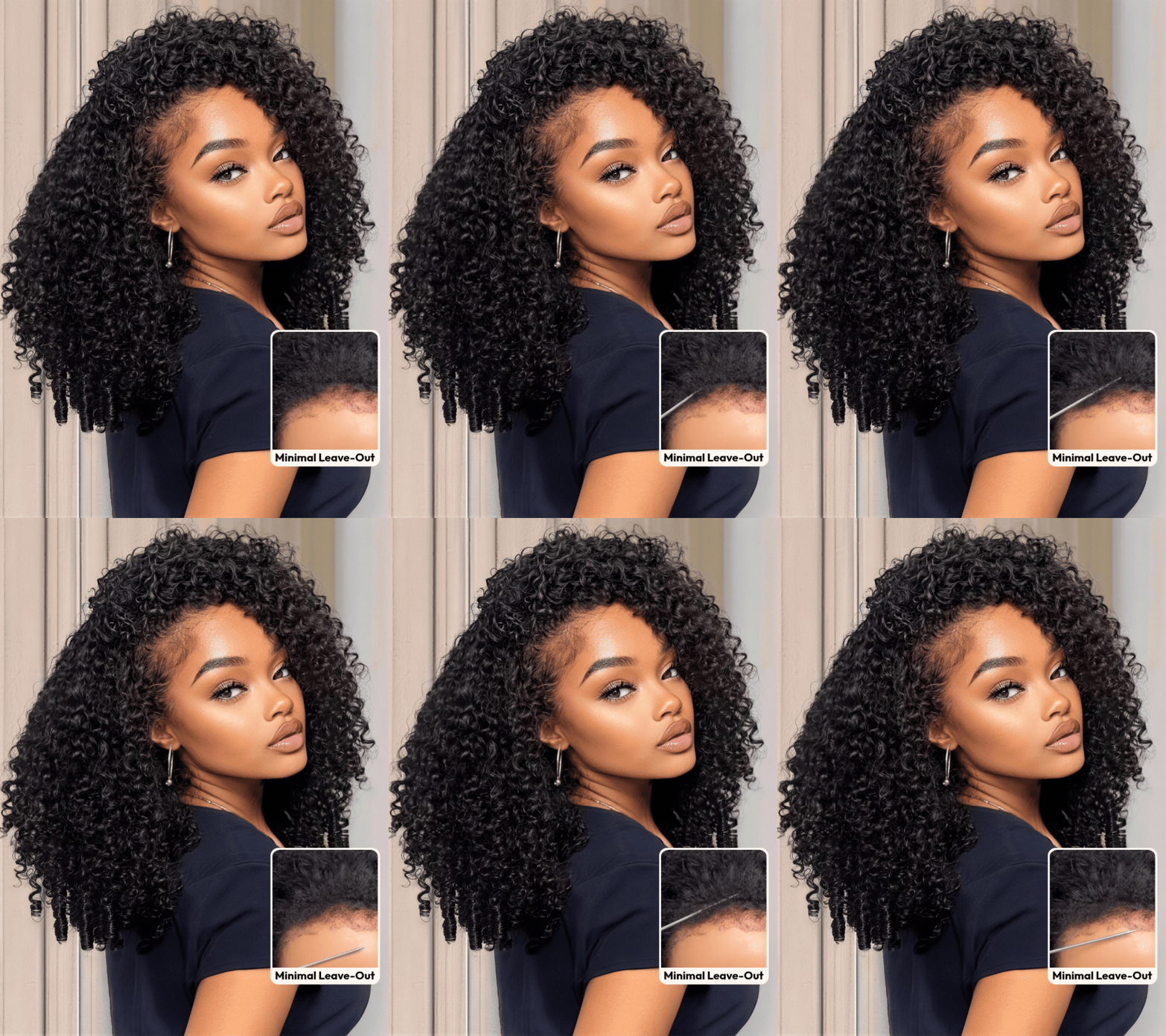
What is a flip over wig? It is a type of half wig designed to blend with your natural hair for a seamless, realistic look. Instead of covering your entire head like a full wig, it leaves a small section of your own hair exposed so you can flip it over the wig and hide the hairline. Traditional flip-over wigs usually feature combs and an adjustable strap, while many modern versions include a drawstring for a more secure fit. They are especially popular because they create the appearance of natural volume without requiring lace, glue, or complicated installation.
5 items
Sort By
Best Sellers
New Arrivals
Top Rated
Featured
Installation Method
Glueless
1
Hairstyle Design
Finger Curls
1
Hair Texture
Kinky Curly
2
Burmese Curly
1
Straight
1
Mix Texture
1
Hair Color
Natural Black
3
Mixed Color
2
Cap Construction
Half Wig
1
V Part Wig
1
Lace Material
Transparent Lace
1
Parting Flexibility
Middle Part
1
Fixed Part
2
Density
150%
3
180%
1
220%
1
Frequently Asked Questions About Flip Over Wig
How Do You Wear a Flip over Wig?
Ensure you have braided or smoothed your natural hair - leaving out that portion which you intend to blend with the wig. Position the flip over wig behind this leave-out section and secure the built-in combs - adjust the drawstring or straps as necessary if your wig features them. Once secure, release your leave-out section and blend it over the front of the wig using either a brush or your fingers. Final styling of the edges may be needed, or even some light heat applied to ensure natural hair matches the wig texture.
Is a Flip over Wig the Same as a Half Wig?
The two are very similar but not exactly the same - the terms are not universally used interchangeably. The concept of a half wig implies it covers only part of the head and blends with natural hair. The flip-over aspect refers more specifically to the way the leave-out portion of one’s natural hair is simply flipped over the front of the wig. Today, most drawstring half wigs can be worn as a flip-over wig - providing a natural-looking effect but with a more adjustable and secure fit.
How Much Leave-Out Does a Flip over Wig Need?
The vast majority of individuals only require leaving out a small portion of hair - either around the front or the top of the head. Such an amount is usually around 1 to 2 inches in width. The exact amount will relate to your hairstyle, hair density, and needs for blending. Leaving out too much hair suggests more styling and heat exposure, while a smaller leave-out portion is easier to maintain and better for protecting natural hair strands. Matching the wig texture to your natural hair will also reduce leave-out requirements.
Can You Wear a Flip over Wig Without Leaving Your Hair Out?
Yes - although this is the expected design of the traditional style, you can wear such a wig without showing natural hair. Options include using such a wig within a headband, scarf or hat - or even with laid baby hairs. Some modern drawstring half wigs are specifically designed to blend very well with little or no leave-out - making it a convenient hairstyle choice for anyone looking to protect their natural locks from heat and styling.
Are Flip over Wigs Good for Beginners?
Yes. This particular wig style is one of the easiest for those just getting into wigs. There is no need for lace cutting, glue, bleaching knots or fiddly installation methods - installation can take place in just a few minutes with the built-in combs and adjustable drawstring or straps. The fact that it features blending with natural hair rather than a lace hairline means it also requires less maintenance than many lace-based wigs. Any texture that matches natural hair will lead to a realistic effect.
Do Flip over Wigs Damage Natural Hair?
They should not damage natural hair when worn correctly. This is actually one of the ways many people use the wig for protection - as most of their natural hair remains tucked away. To maintain healthy natural hair, however, make sure you do not install the combs too tightly, regularly moisturize braids, and minimize heat exposure on natural leave-out sections. Gently removing the wig and providing the scalp with regular breaks is also beneficial to healthy hair growth.
What's the Difference Between a Flip-Over Wig and a V-Part Wig?
The major difference between these two types of wigs lies in the way they blend with natural hair. The flip-over wig uses a small leave-out to create a natural hairline without a distinct part. A V-part wig features a section where the natural hair emerges to show off a middle or side part. The two styles require less precise blending of the natural hair with the wig and offer more flexibility in styling, with the flip-over design presenting the benefit of more natural blending and less defined lines.

![[ Price Drop ] UNice Versatile 2-in-1 Black to Brown Ombre Turn-Around Kinky Curly Half Wig Glueless for Beginners](https://ima.unice.com/ol/media/20260522/4077079941ca4f00859db6e9db30c6dc.gif?im=Resize,width=345,height=456)

![[Limited Time] UNice Maxreal Half Wig 2x4 Lace Part Black Kinky Curly Wig](https://ima.unice.com/ol/media/20250701/37f8715f67f064a19410cc96d9bb5554.gif?im=Resize,width=345,height=456)