How to Make a Wig Lay Flat: A Complete Guide for a Smooth Finish

A wig that lies flat can really ruin the natural look of your hair, no matter how high the quality of the wig itself may be. A flat wig can lead to bulges in the crown of your wig, issues with the lace of the wig lying smoothly against your scalp, or your wig may appear to shift with the passing of the day. All of these issues are very common with wigs, but typically the result of issues with how the wig was prepared, fitted to your head, or how it was installed. The good news is that once you understand what’s causing the problem, it’s actually quite easy to fix.
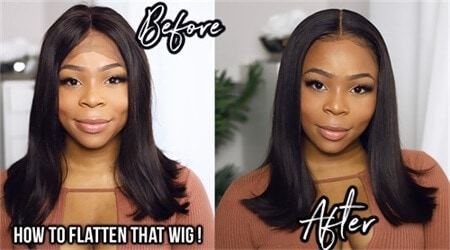
Why Your Lace Front Wig Isn't Lying Flat?
In most cases, a wig that won’t lie flat is not caused by a single issue. It is usually a combination of small factors that affect how the wig sits on your head.
1. The Wig Features a Thick Lace Closure or Frontal
As we all know, a lace closure or frontal is basically a hairpiece that is sewn along the front of a unit that mimics a real hairline. But if your lace is thick, it will look bulky and may stick out a lot, thus making your wig look bumpy and unnatural. So the best way to avoid this is to get one thin and undetectable lace wig.
2. Hair Prepared Improperly Under a Wig
If your lace front wig is refusing to lie flat on your head, it may be because you haven't been prepping your natural hair correctly underneath the wig. It is so important to give your lace front wig a good base, as it will affect the final look more or less. So, whether it is a sew-in, quick weave, or wig, it would be better to make sure your natural hair is as flat as possible under the wig.
3. The Lace Wig Wasn't Glued On
If your lace front wig is not staying flat at the front of your head, it may be because you chose to use the attachment to secure the lace front wig instead of glue, for example, wig tape, wig grip, comb, adjustable strap, and so on.
4. Wig Size Not Right
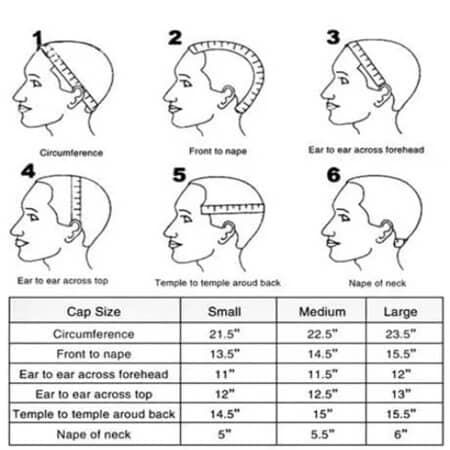
When you wear a jacket that is too big, it will get very fluffy, baggy, and not fit you. So does your wig. You can measure your head size before shopping for wigs.
How To Make Your Wig Lay Flat
Step 1: Buy A High-quality Wig
No matter your budget, you should always make sure whatever lace front wig you’re spending your hard-earned money on is high-quality and has a thin lace closure that will lay smooth and look scalp-like when installed. Only do this, and you can make sure your lace front wig lies flat on your head.
After all, only a well-done no slip wig with a thin lace closure will lie flat on your head and can mimic a natural hairline. That is because the lace is so thin that it can melt with your skin seamlessly rather than create sharp lines of demarcation.
Step 2: Braid Your Natural Hair Under Your Wig
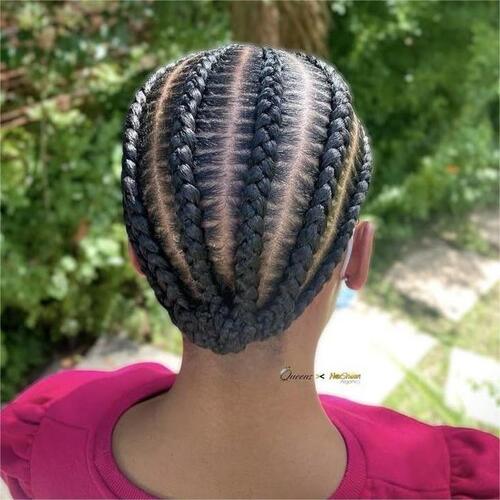
Image source: Pinterest
Many people choose to prepare their natural hair in a bun or a ponytail before putting on a lace front wig. But it actually can cause the lace to stick up and not lie flat against your head. To make a lace front wig lay flat, you must ensure your natural hair under the wig cap is as flat as possible. For instance, if you have long and thick hair, the best thing you can do is to braid it down tightly into cornrows or braids. Of course, these cornrows or braids should be neat, relatively small, and uniform. Besides, you should keep in mind that the smaller the braids are, the flatter your wig will lie on your head.
For these people who have very short hair, you can more than likely get away with just slicking your natural hair down with gel or any similar styling product.
Step 3: Secure the Wig (Glue or No-Glue Options)
At this stage, you can choose between a more traditional glue method or a no-glue installation depending on your preference.
If using glue, apply a thin and even layer along the hairline and allow it to become tacky before pressing the lace down. Once in place, gently press and hold to ensure a seamless melt.
If you prefer a no-glue method, a wig grip band or elastic band system works well. These options help keep the wig in place while reducing tension on the edges, making them especially suitable for everyday wear or beginners.
Step 4: Choose The Right Wig Size
Therefore, you must make sure the size of your wig fits your head perfectly.
In the process of sewing the lace wig, you need to make sure the stitching is neat. If the tracks aren’t lying flat when they’re being sewn onto your cap, the wig will not lie flat against your head!
Step 5: Apply a Hot Comb Or Flat Iron To the Wig
You can thoroughly detangle wig hair to remove knots and then run the hot comb along the top and the edges of your wig to lay down a lace front wig. Be sure to use caution so you do not burn yourself and melt your hair weaves or wig.

Another oldie but goodie is the flat iron. When you use the flat iron in the correct settings, the risk of burning or melting your weaves or wigs is much lower than using a hot comb.
FAQs about Make a Wig Lay Flat
Why Does My Wig Look Puffy on Top?
Wigs can look puffy on top if there is excess hair underneath the wig. Additionally, if the wig cap does not properly adhere to the scalp, this could create the same amount of puffiness. Lastly, if the wig was not properly shaped when the fibers were installed onto the wig, this will also cause the wig to look puffy on top.
How Can I Make a Wig Lay Flat Without Glue?
To make a wig lay flat without the aid of glue, use a wig grip band or straps to help secure the wig to the natural hair. Additionally, ensure the natural hair is flattened underneath the wig. Lastly, using an elastic band to secure the wig to the natural hair is another of the most popular methods for making a wig lie flat without the use of glue.
Why Does My Lace Wig Lift?
A lace wig may lift from the application of natural hair if there is not enough secure hold on the natural hair. Additionally, if the lace layer is not melted properly into the natural skin, the lace wig will lift. Other potential causes include oil and sweat on the natural hairline, and if the wig is applied incorrectly.
Can a Wig Cap Affect How Flat a Wig Lays?
Yes, the wig cap can impact how flat a wig lies. If the cap is too thick or creates bumps on the head, it will negatively impact the appearance of how flat the wig lies. Using a thinner, more breathable wig cap that properly adheres to the scalp can improve the flatness of the wig.
Final Thoughts
If your wig isn’t lying flat right away, it usually doesn’t mean something is wrong with the wig itself. It just means a few small details in your prep or installation need adjusting. Take a moment to think about which step might be affecting your result — is it your hair prep, the cap fit, or the way you’re securing the lace?
Once you identify that part, fixing it becomes much easier than expected.