
A wig grip band is a simple yet highly effective accessory for securing wigs without glue. It offers reliable hold, all-day comfort, and reduced slippage, making it a favorite for glueless installations. This article explains what it is, how it works, and answers common questions to help you decide if it’s right for you.
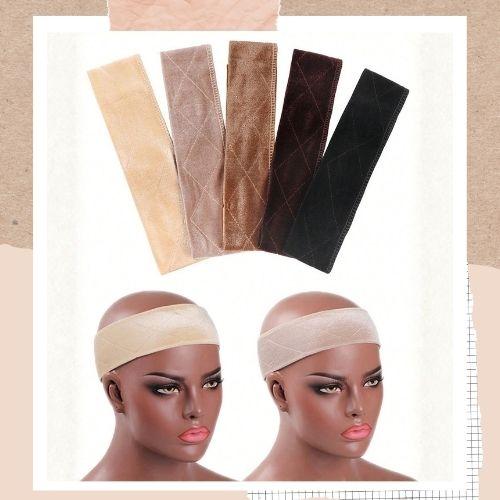
Image source: Pinterest
What Is a Wig Grip Band?
Quick Answer: A wig grip band is a piece of elastic that features velvet, velour, or silicone material and sits even with the hairline and the back of the head. The grip band grips the scalp and the wig cap without the use of glue or other adhesive products.
In addition to the basic function, wig grip bands vary by material to suit different needs. Here is a simple classification table:
| Material Type | Key Features | Best For | Pros & Cons |
| Velvet / Velour | Soft, directional nap for friction; breathable | Everyday wear, sensitive scalps | Pros: Comfortable, adjustable with Velcro; Cons: May loosen slightly with heavy sweating |
| Silicone | High-grip surface, often waterproof | Active lifestyles, sweaty users | Pros: Strong hold; Cons: Can feel tighter or less breathable |
| Elastic + Silicone Beads | Stretchy base with grip dots | Custom fit and versatility | Pros: Flexible adjustment; Cons: Localized grip may vary |
| Lace-Front Hybrid | Combines grip material with lace edge | Lace front wigs for seamless look | Pros: Better blending; Cons: Slightly higher cost |
These options allow users to choose based on head shape, activity level, and skin sensitivity.
How Does a Wig Grip Band Work?
Wig grip bands depend on a few principles of physics to hold the wig securely. The main physics principles used in these grip bands are friction, pressure, and better weight distribution. These all work together to create a stable and connecting layer between the wearer’s head and the wig.
Friction Creates Resistance
Friction is the main principle used to create a grip between the wig and the head. The velvet fiber of the band has a directional nap that creates resistance. When properly positioned, the nap will face the wearer’s back. This makes it easy to slide the band on the head, but provides resistance when attempting to slide the wig forward or sideways. The fiber locks against the inside of the wig’s cap.
Pressure Helps Stabilize the Wig
The elastic material of the grip band applies gentle, even pressure against the wearer’s head. The band fits against the wearer’s scalp and natural hair. Many wig grip bands use Velcro straps or other adjustable materials that let the wearer customize the band’s pressure against the head. This is especially helpful at the temples and nape of the wearer’s neck, where wigs tend to shift the most.
Better Weight Distribution
The weight of a wig can be distributed more evenly across the wearer’s head by the wig grip band. The band acts as a cushioning layer between the head and the wig’s cap. This helps the wearer feel more comfortable wearing the wig for longer periods of time due to better balance and less pressure points on the scalp.
How to Wear a Wig Grip Band Correctly
- Start with clean, dry hair. Style your natural hair flat (braids, ponytail, or wig cap optional).
- Place the band around your head, positioning the wider front section along the hairline. Ensure the directional nap (for velvet) runs toward the back—test by running your finger from front to back; it should feel rough.
- Adjust the Velcro or elastic for a snug but comfortable fit. It should sit securely without headache or slipping.
- Pull the wig over the band carefully. Align the wig’s front and use the band’s grip to tuck or hook the wig edges underneath for extra hold.
- Check for gaps, adjust as needed, and style. For lace fronts, melt or position the lace over the band’s edge if applicable.
For a visual demonstration of the detailed wearing process, you can refer to the video below to observe and learn the steps more clearly. Proper placement maximizes friction and prevents visibility.
Wig Grip Band vs Wig Glue vs Built-In Grip Wigs
Wig Grip Band
Non-permanent, easy on/off, gentle on skin, and natural hair. Ideal for flexibility and daily changes. Less secure in extreme conditions compared to glue.
Wig Glue
Wig glue provides the strongest, longest-lasting hold (days to weeks). Great for high-activity or long-term styles but can irritate the scalp, damage edges over time, and requires proper removal to avoid buildup.
Built-In Grip Wigs
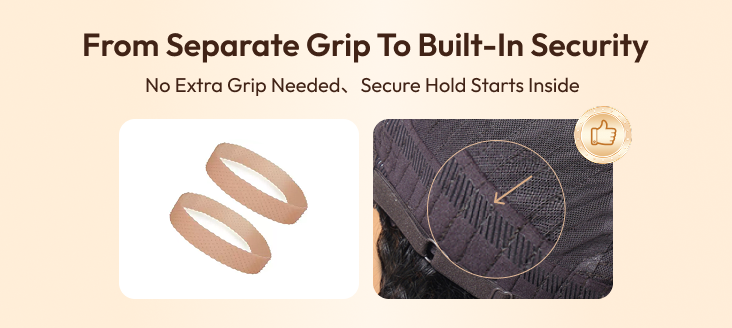
Image: Wig by UNice
These no slip wigs have silicone strips, combs, or gripper areas already integrated into the cap. Convenient with no extra accessories needed, but less adjustable than a separate band and may not suit all head shapes. They often combine well with a grip band for extra security.
Wig grip bands win for comfort and reversibility, while glue suits maximum security and built-in options offer simplicity.
What Color Wig Grip Band Should I Get?
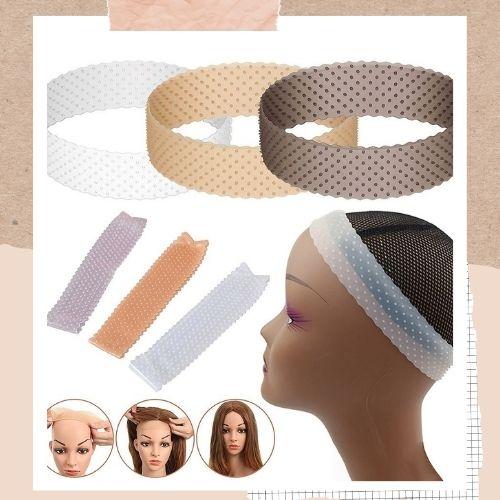
Image source: Pinterest
The best color for your wig grip band depends on your skin tone, natural hair color, and wig style. Here are practical recommendations:
- Black: The most popular and versatile choice. It blends well under most wigs, especially dark-colored or black wigs, and is less likely to show through lace fronts. Ideal for beginners and everyday use.
- Brown / Medium Nude: Great for people with medium to olive skin tones or brown hair. It provides a more natural look if any part of the band is visible at the nape or sides.
- Beige / Light Nude: Best for fair or light skin tones. Helps create a seamless blend with lighter lace wigs and pale scalps.
- Dark Brown / Deep Nude: Recommended for deeper skin tones to avoid contrast and ensure invisibility under the wig.
- Clear / Transparent Silicone: A good option if you want maximum discretion, especially with sheer lace fronts or lighter wigs.
Pro Tip: If you wear multiple wigs in different colors, go with black or a neutral nude shade as they work with almost everything. Always consider your hairline and parting style — a band that closely matches your scalp tone will look the most natural if the edges are slightly exposed.
FAQs about Wig Grip Band
Do Wig Grip Bands Work?
Yes, they work for most individuals who use their glueless wigs. They work by utilizing the friction and pressure that it provides to hold the wig securely to the head. Most users report that they can wear their wig grip band for 8 to 12+ hours of wear before having to adjust their wig. Although the effectiveness can differ from individual to individual, they are a popular accessory with positive reviews from wig wearers.
Do Most People Wear Wig Grips Under Their Wigs?
No, not everyone wears wig grips. Many individuals use them daily or in specific situations with their wigs. Others may use the built-in grips or those that utilize glue to their wigs instead.
Who Should Use a Wig Grip Band?
They are ideal for beginners learning glueless installs, people with sensitive or irritated scalps, those dealing with hair loss or thinning, and active individuals who want reliable hold without glue. Daily wig wearers who switch styles often, or anyone prioritizing comfort and hairline protection, benefit the most. Adjustable bands also help people with non-standard head sizes. They are less suitable only if you need extreme, multi-day hold without any adjustments.
What Is the Best Wig Grip Band?
The best wig grip band for individuals who wear glueless wigs may include brands like Milano WiGrip, or bands made of high-quality silicone like Wig Fix. Those who prefer velvet material for their wigs may opt for velvet bands. However, individuals who are active or tend to sweat with their wigs may prefer silicone wig grip bands. When purchasing any wig grip band, individuals should look for adjustable Velcro bands, a good width at the front, and a wig that includes internal clips.
How Do I Keep My Wig Grip from Slipping?
To prevent slipping, position the band correctly (nap direction matters), adjust it snug but comfortable, and style your natural hair flat underneath. Using a light mist of hairspray on your hair or a thin wig cap underneath can help. Choose a wider or silicone band if you sweat a lot, clean the band regularly to maintain friction, and combine with the wig’s internal clips if needed. Proper fitting usually solves most slipping issues.