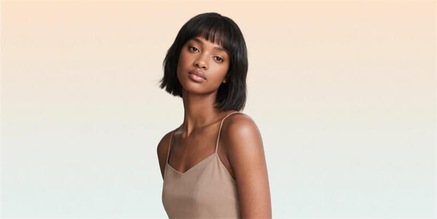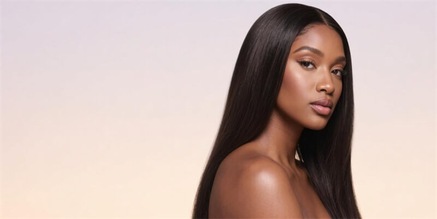
180, 220, and 250 density wigs all look full on a product page — the difference only shows up once the hair is on your head, in how much volume you get and how heavy the wig feels by the end of the day. If you are weighing 180 vs 220 vs 250 density wigs, the number is not really the point: the point is which one you will actually want to wear. Below, we break down what changes between the three, compare them side by side in plain terms, and tell you which density fits your hair and your week.
What Is Wig Density?
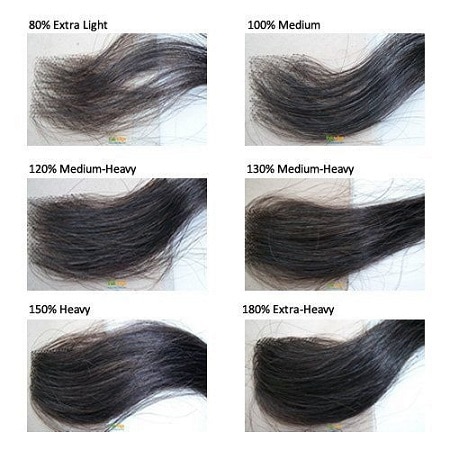
Image source: Pinterest
First, a quick definition. Wig density is how much hair is on the cap, sold as a percentage. Densities usually run from about 100% to 250%, and the higher the number, the thicker the wig looks and feels. That one number decides whether a unit reads as flat and natural or full and glam — and it drives how the wig moves, how it styles, and how heavy it feels on your head.
What Does a 180 Density Wig Mean?
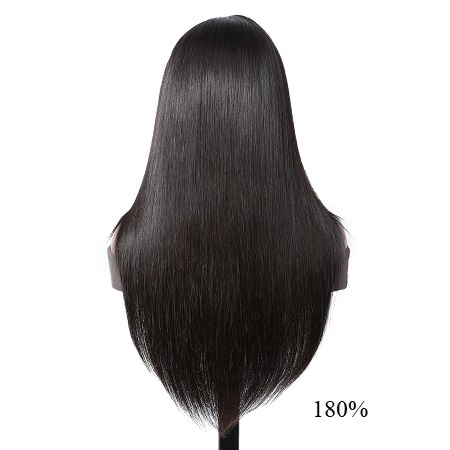
Image: Wig by UNice
180% density wigs give you visible extra fullness without going over the top. Lightweight and comfortable, they are the pick for anyone who wants a fuller look but not too much volume — a medium-high density built for everyday wear.
Is 180 Density Good for a Wig?
Yes. A 180 density wig is ideal for everyday wear: it gives ample fullness for a noticeable difference without appearing too heavy or artificial. It is also the lightest of the three densities on this page, which is why most people can wear it all day without thinking about it.
What Is a 220 Density Wig?
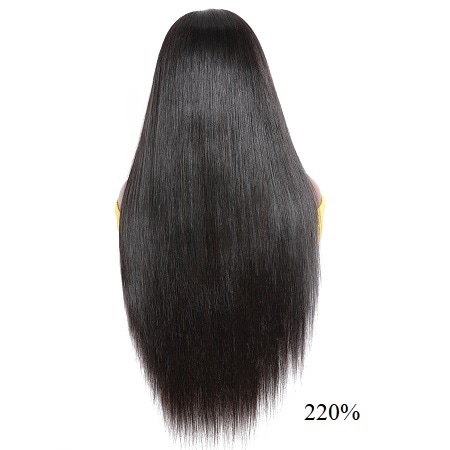
Image: Wig by UNice
A 220 density wig carries more hair than a 180, and that is exactly what gives it the fuller, more luxurious look. It is the middle step in this range: noticeably denser than 180, still easier to live with than 250.
Is 220 Density a Good Choice for a Wig?
If you are going for a dramatic and full look, a 220 density wig is your best bet. It is the right density for special occasions, for waves and big curls, and for anyone who prefers a glamorous, voluminous hairstyle without going all the way to the heaviest option.
What Does a 250 Density Wig Mean?
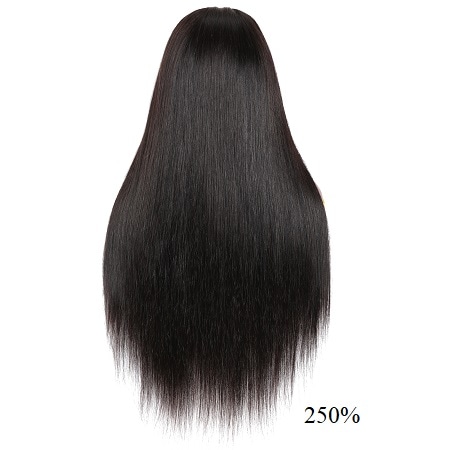
Image: Wig by UNice
250% density wigs are the fullest density in this range. With unmatched thickness, they give an extremely voluminous, luxurious look — and they are the heaviest of the three to wear.
Is 250 Density Good for a Wig? (Or Is It Too Much?)
250 density is not for everyone. It is built for the people who want the most voluminous, luxurious hair possible — the kind of full, dramatic finish you see in photo shoots and on stage, or simply on anyone who likes their hair to look really thick.
Our honest take: 250 is the most dramatic density in this range, and the heaviest. It is meant to read as deliberately full. If you want a look people call natural, choose 180 or 220 — and if you wear a wig all day, 180 is the one you will forget you have on.
180 vs. 220 vs. 250 Density Wig: What Is the Difference?
Here is the short version: 180 gives you medium, natural thickness and the lightest wear; 220 steps up to high volume that still holds a curl, with moderate weight; 250 is the fullest and heaviest, built for big, dramatic styles. The three densities differ in exactly four ways — volume, weight, look and styling range.
180 vs. 220 Density Wig
| Feature | 180 density wig | 220 density wig |
| Volume | Medium volume, natural thickness | High volume, fuller look |
| Weight | Lightweight, comfortable for daily wear | Moderate weight, may feel heavier with prolonged wear |
| Look | Natural, suitable for casual and professional looks | Thicker appearance, great for glamorous styles |
| Styling Options | Easy to style, versatile for updos and curls | Holds styles well, ideal for voluminous curls and waves |
220 vs. 250 Density Wig
| Feature | 220 density wig | 250 density wig |
| Volume | High volume, fuller look | Maximum volume, extremely thick |
| Weight | Moderate weight, may feel heavier with prolonged wear | Heavy, may require secure application |
| Look | Thicker appearance, great for glamorous styles | Very thick, dramatic and luxurious |
| Styling Options | Holds styles well, ideal for voluminous curls and waves | Best for big hairstyles, less versatile for daily styles |
180 vs. 250 Density Wig
| Feature | 180 density wig | 250 density wig |
| Volume | Medium volume, natural thickness | Maximum volume, extremely thick |
| Weight | Lightweight, comfortable for daily wear | Heavy, may require secure application |
| Look | Natural, suitable for casual and professional looks | Very thick, dramatic and luxurious |
| Styling Options | Easy to style, versatile for updos and curls | Best for big hairstyles, less versatile for daily styles |
How to Choose the Right Wig Density
The right density is what makes a wig look natural and feel comfortable. Four things decide it.
1. Natural Hair Thickness
If your own hair is fine, go lighter: a 150 or 180-density wig looks more natural on you and blends better with your own hairline. If your own hair is thick, look at 220 or 250 — the extra volume will match what you are used to.
2. Your Ideal Style
Think about the style you are going for. Smooth, straight looks work with a lower density; denser wigs hold big curls, waves, and volume far better. If you live in updos and half-up styles, the extra hair in a 180 or 220 gives you more to work with.
3. Comfort and Daily Wear
Denser wigs weigh more, so ask yourself how long you will wear it in one day. If you wear a wig eight hours or more, 180 is usually the better balance. Heavier densities also put more on your hairline, so it is worth keeping the heaviest unit for shorter wear times — the American Academy of Dermatology's guidance on tight hairstyles and hair loss recommends keeping anything that pulls on the hairline loose and giving your edges a break. If a comfortable install matters most, read our lace comparison guide before you choose a cap.
4. Occasion: Everyday vs. Special Events
If you are going for a more everyday look, a 150 or 180 density is the practical, comfortable pick. If you are dressing it up for special occasions, or you want to make a statement, a higher density like 220 or 250 gets you the more dramatic look.
Which Density Is Right for You?
For most first-time wig wearers, 180 density is the safest choice. It is the lightest of the three, comfortable for everyday wear, and full enough to look noticeably thicker without reading as heavy or artificial. Choose 220 if you want more volume for special occasions and glamorous styles, and 250 only if maximum fullness is the goal — it is the thickest option here, the heaviest to wear, and the least versatile for daily styling. Match the density to your natural hair thickness and your comfort needs, not to the biggest number.
180 — Everyday natural
Medium volume with natural thickness, lightweight and comfortable for daily wear. Best if your own hair is fine to medium and you wear your wig often.
220 — Full and glamorous
High volume that still holds a style, ideal for voluminous curls and waves. Best for dressing up, events, and anyone who wants a fuller finish without the heaviest weight.
250 — Maximum volume
The thickest density in this range, for big hairstyles and dramatic, luxurious looks. It is also the heaviest and the least versatile for daily styling.
FAQ: 180 vs. 220 vs. 250 Density Wigs
Is 250 density too much for everyday wear?
For most people, yes. 250 is the heaviest and thickest density in this range, and the least versatile for daily styles. It is built for big, dramatic looks — think photo shoots and stage — and it may require a more secure application. If you wear a wig all day, 180 or 220 is easier.
Which wig density is best for beginners?
Start at the lighter end. 180 density is the easiest of the three to live with: it is lightweight and comfortable all day, and it reads as natural rather than heavy. If your own hair is fine or thinning, going lighter still is the safer match, and our 150 vs 180 vs 200 guide walks through that range.
Which density is best for curls and big, voluminous styles?
220 is the sweet spot for volume. It holds styles well and is made for voluminous curls and waves, while staying lighter than 250. 250 goes further and is the pick for the biggest hairstyles, but it is less versatile for everyday styling. 180 is the easiest of the three to style and works well for lighter curls and updos.
Does higher density mean a heavier wig?
Yes. More hair on the same cap means more weight, which is why the three densities feel so different after a few hours. 180 is lightweight and comfortable for daily wear, 220 is moderate and may feel heavier with prolonged wear, and 250 is heavy and may require a secure application.
The Most Popular Wigs on UNice Hair
Final Thoughts
Density is the one spec that changes how a wig feels every day, not just how it photographs. Comfort, upkeep, and the style you actually wear matter more than the biggest number on the page — start there, and you will end up with a unit you reach for instead of one you save for special occasions.