Picking a wig is about more than length or a clean lace melt — wig density is what decides whether your unit looks flat, natural, or full and glam. If you have ever stared at 150%, 180%, 200% on a product page and had no idea which one to choose, you are in the right place.
In this guide, we compare 150 vs 180 vs 200 density wigs side by side — the real difference in fullness, weight, shedding, and styling — and tell you exactly which one fits your face, your natural hair, and your everyday routine. No guesswork, no jargon, just the answer you came for.
What Is Wig Density?
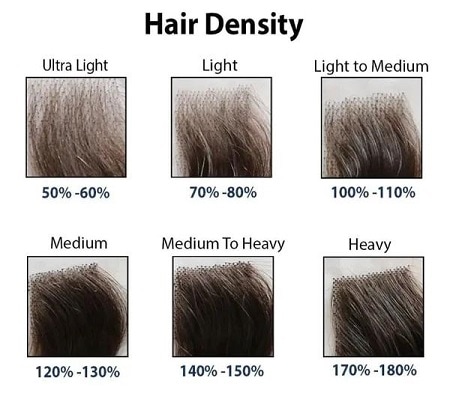
Wig density is how much hair is sewn onto the wig cap and how closely the strands are packed together. It is measured as a percentage of a standard head of hair: a 150% density wig carries roughly 150 strands per square inch, a 180% density wig around 180, and a 200% density wig close to 200.
A higher wig density means more hair on the cap — so the wig looks thicker and fuller. A lower density means less hair, which reads as lighter and more natural. Densities generally run from very light (below 130%) to very heavy (250% and above).
Quick Picks: Which Density Should You Buy?
- 150% density — the most natural, most beginner-friendly option
- 180% density — the fullest look you can still wear every day
- 200% density — maximum volume for photos, stage, and statement styles
What Does A 150-Density Wig Mean?
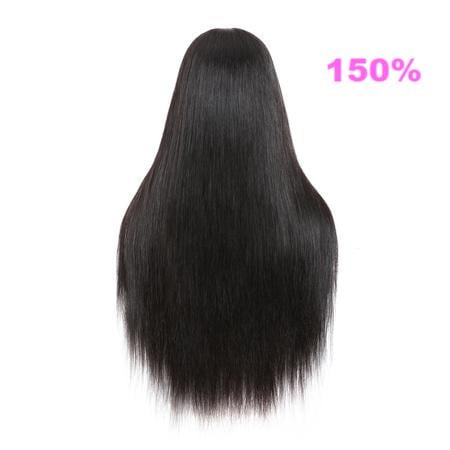
Image: Wig by UNice
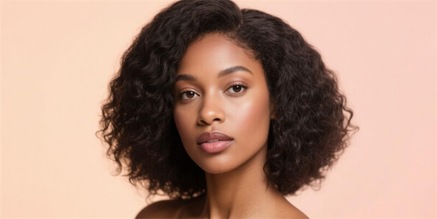
A 150-density wig has a medium amount of hair packed onto the cap — roughly 150 strands per square inch — which reads as natural rather than heavy. It is neither thick nor thin, which is exactly why it works for so many people. If you want to go deeper on this one number, read our full guide: Is 150 Density Good For A Wig?
Is 150 Density Good For A Wig?
150% density is widely considered the most versatile, best-selling density — it sits closest to the natural volume of healthy hair, which is why it is the sweet spot for most first-time and everyday wearers. It is light in weight and comfortable enough to wear all day without fatigue.
The one trade-off worth knowing: because a 150% unit starts with less hair, shedding shows up sooner than it does on a 180% or 200% unit. That is a reason to be gentle with your comb, not a reason to avoid the density.
150 % Density Wigs Customer Review
F***x
Loved the hair and the density, which can make my scalp easily breathe. The hair is super soft as well. Definitely buying one again.
L***s
Really good quality hair. Super soft. It fits really well and looks natural. This 150% density is not too heavy, which can offer great comfort.
M***i
I very much like this 150% density wig because they are easy to wear and allow my hair to look more natural. I 100% recommend it!
What Is A 180-Density Wig?
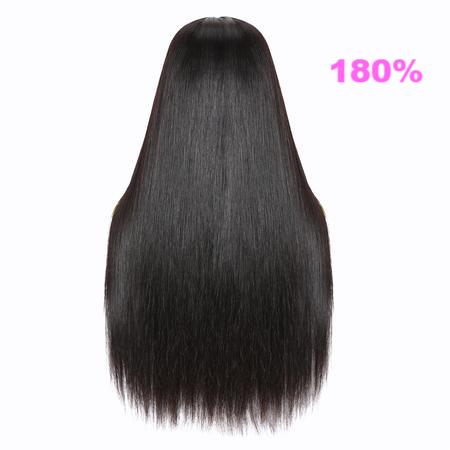
Image: Wig by UNice
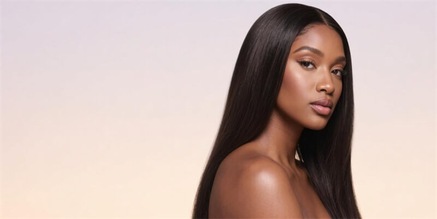
A 180-density wig carries roughly 180 strands per square inch of the wig cap — noticeably fuller than a 150% unit while still looking like real hair. It delivers both a natural appearance and enough volume and thickness for people who want a fuller finish, and it holds up better in longer lengths, where hair naturally thins toward the ends.
Is 180 Density Good For A Wig?
180% density is a favorite for camera-ready, event, and content-creation looks, where extra volume reads well on video and in photos. It gives the wearer the appearance of exceptionally full, thick hair while still allowing a wide range of hairstyles — curls, waves, updos and layers all sit better when there is more hair to work with.
Its one real drawback is cost: 180% sits above 150% in price because more hair goes into the cap. For most people, though, 180% is the density that does everything reasonably well, which is why it is the safest single-unit choice.
180 % Density Wigs Customer Review
H****
The wig looked exactly how the picture looks it was very full and flawless and I love it I got my money's worth non-shedding as well.
A***f
It is a soooo beautiful hair. I love it! And the lace melted soooo well! Additionally, this 180% density wig looks very fuller and more voluminous. I will be buying another one from this vendor.
W***x
I purchase a 22-inch, 180% wig. It is true to length and density, making my hair look very full.
The density most people end up keeping. Shop 180 Density Wigs
What Is A 200% Density Wig?
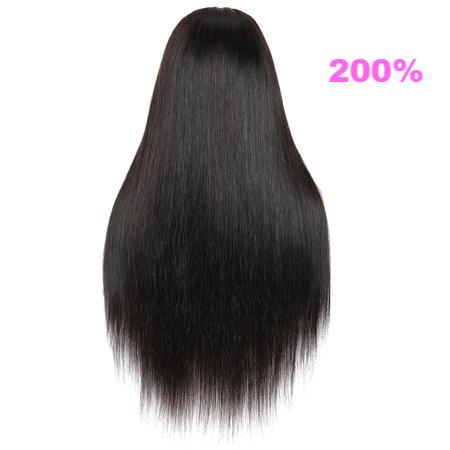
Image: Wig by UNice
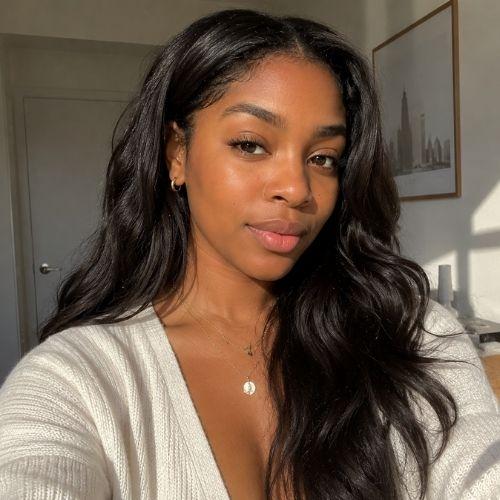
200% density wigs carry around 200 strands per square inch of the cap, giving you the fullest, thickest look available — ideal for people who want to stand out, and for high-drama, red-carpet and photoshoot styling where maximum volume is the point.
Is 200 Density Good For A Wig?
Compared to 150% and 180% density wigs, 200% density gives you a fuller, more voluminous, and more dramatic look. It asks more in return: a 200% unit is heavier and can feel like a lot during long wear, and it takes more detangling and drying time to keep it looking its best. That is a trade-off, not a dealbreaker — most wearers treat 200% as their event unit and keep a 150% or 180% wig for daily rotation.
Research from Johns Hopkins on hairstyle tension and hair loss also points to weight and tension as factors worth managing, which is one more reason to reserve the heaviest densities for shorter wear times.
200 % Density Wigs Customer Review
A***r
This was my first wig and I absolutely love it. good hair quality, barely any shedding hair is thick and full of body. definitely will be ordering from here again.
N***t
This was the most comfortable, natural wig I've purchased so far. The density was thick and perfect. The hair was soft and so easy to style!
B***
Trust me the hair is great. The 200% density wig was so full, incredibly soft, no shedding.
150 vs 180 vs 200 Density Wig: Which One Is Best?
Short answer:
- 150% for the most natural everyday look
- 180% for the best all-round balance
- 200% for maximum volume and glam
Here are the details.
150% vs 180% Density
| Feature | 150% Density | 180% Density |
| Fullness | Medium — full but natural | Full — noticeably thicker |
| Price | $150 — $200 | $200 — $250 |
| Best For | Everyday wear, first wig, office and school, fine or thinning natural hair | The all-rounder — everyday glam, events, long hair, most people |
200% Density at a Glance
| Feature | 200% Density |
| Fullness | Extra full — maximum volume |
| Price | $250 — $300 |
| Best For | Photoshoots, stage, red-carpet and statement looks |
How To Choose The Right Wig Density?
So how do you pick the right density for you? These are the five factors that matter most.
1. Face shape
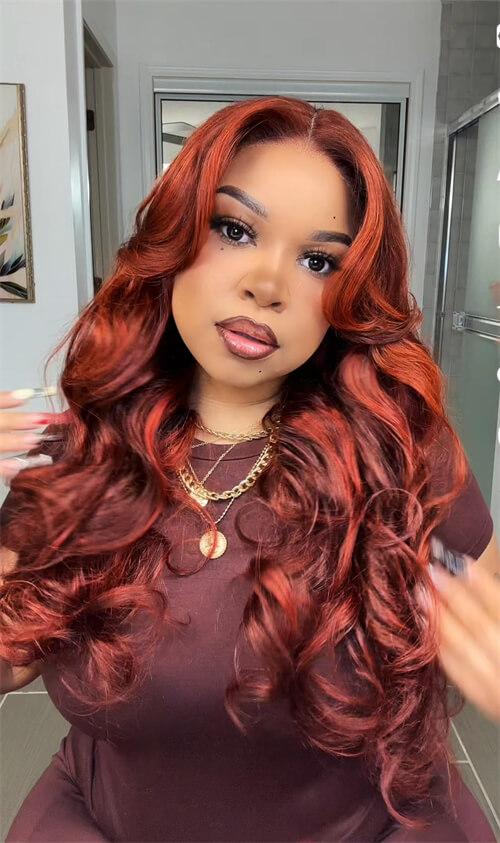
Model: @gotdamnkam91 | Wig by UNice
If you have a small face or fine features, a very dense wig can swallow your face and look unnatural — 150% density keeps the proportions right. If you have a rounder or larger face, extra volume helps balance your features and create a more symmetrical look, so 180% or 200% works in your favor. As a rule of thumb:
- small or oval faces → 150%
- medium and round faces → 180%
- wide faces styled for balance → 180–200%
2. Your natural hair density
If you want your wig to blend with your own hair, matching your natural density matters more than any trend. If your hair is thinning and you choose a much higher density, the added volume can look unnatural — especially at the part and hairline, where the contrast is most visible.
- Fine or thinning hair → 150%
- medium density → 180%
- thick natural hair → 180–200%
3. Consider the texture of the wig
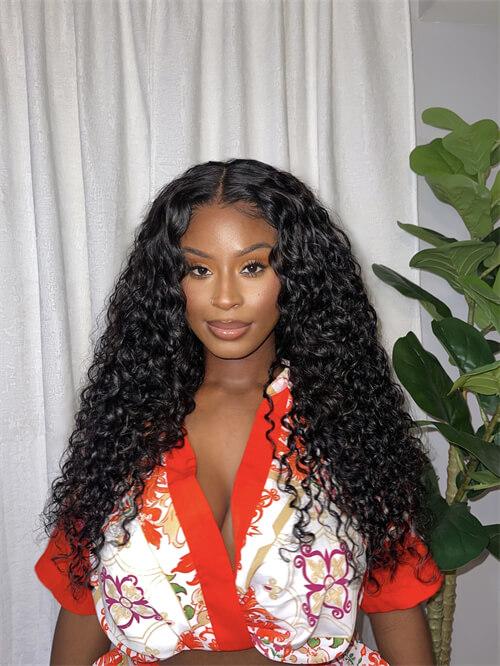
Model: @marylovesyu_ | Wig by UNice
Texture changes how dense a wig looks at the same percentage. Curly textured wigs appear fuller than straight hair at the same density, so a 150% kinky curly unit can read as full as a 180% straight one. That is worth remembering before you size up: if you are choosing a v part wig with no leave-out in a curly or wavy texture, consider staying one step lower than you would in straight hair.
4. Budget
Density drives price, because more hair has to be sewn into the cap. In practice, that means three tiers: 150% in the entry-to-mid range, 180% in the mid range, and 200% at the top. If value per wear matters most, 150% and 180% give you the most days of wear for your money; 200% is worth the premium when the occasion justifies it.
5. Occasion
What you are wearing the wig for should decide the density more than anything else.
- Everyday wear, work, school → 150% or 180%, because both stay comfortable through long days.
- Events, dates, photoshoots, stage → 200%, where the volume is the point.
One more consideration the experts keep coming back to: the American Academy of Dermatology's guidance on tension and hair weight recommends keeping styles that pull on the hairline loose and giving your edges a break, which is another argument for keeping a lighter-density unit in your rotation rather than wearing the heaviest one every day.
If you prefer an easy, low-tension install, a wig in 150% or 180% stays comfortable for extended wear, and a glueless wear and go wig is the fastest route to an install with no adhesive at all.
FAQs About Wig Density: 150, 180 and 200
What's the difference between 150, 180, and 200 density wigs?
All three describe how much hair sits on the same cap. A 150% density wig carries about 150 strands per square inch — full, but light enough to look natural and stay comfortable all day. A 180% density wig adds noticeably more body, which reads fuller in updos and holds curls better. A 200% density wig is the heaviest and fullest option, built for volume-first looks. One useful thing to know: the jump from 150% to 180% is far more visible than the jump from 180% to 200%.
Is 150 density too thin for a wig?
No — 150% is the most common density for a reason. It covers your natural hair completely and moves like real hair. It only reads as "thin" if you are used to high-volume glam units, or if you are styling very long lengths, where hair naturally thins toward the ends. That is why many wearers go up to 180% once they pass roughly 22 inches.
Is 180 density good for beginners?
180% is a safe first choice if you want visible fullness, especially in longer or curly units. It is still light enough for all-day wear and gives you more styling room than 150%. If your natural hair is fine or thinning, start at 150% instead so the hairline stays believable.
180 vs 200 density — which looks more natural?
180% looks more natural in everyday settings; it reads as "she has great hair." 200% reads as a deliberately styled, statement look — beautiful in photos and on stage, but heavier and harder to make look effortless in plain daylight. If your goal is undetectable, choose 180%. If your goal is unmissable, choose 200%.
Which density is best for thinning hair or a receding hairline?
Go lighter, not heavier. A 150% density wig matches the volume of healthy natural hair and blends far more convincingly at the part and hairline than a 200% unit, which can look bulky against thin edges. Pair a lower density with a lace front and a gentle, low-tension install to protect the hair you have.
Do higher-density wigs cost more?
Yes. Density raises the price because more hair goes into the cap — the same reason a 200% wig weighs more. You will usually see three tiers: 150% in the entry-to-mid range, 180% in the mid range, and 200% at the top. If budget decides it for you, 150% and 180% give the most value per wear.
Are 200 density wigs heavy or uncomfortable to wear?
They are heavier than lower densities, and you feel it most in long lengths. That is a trade-off rather than a dealbreaker: most wearers keep 200% for events and shorter wear times, and rotate a 150% or 180% unit day to day. If you wear a wig eight hours a day or more, 180% is usually the better balance.
Which density lasts the longest and sheds the least?
Shedding is driven mainly by hair quality, cap construction, and how gently you care for the unit — not by density alone. That said, density changes how long a wig looks full: a 150% unit that loses volume can read thin sooner than a 180% unit losing the same amount, simply because it started with less hair. In practice, 180% holds its fullness best across repeat installs, and the habits that protect any density are the same: detangle from the ends up with a wide-tooth comb, wash with sulfate-free shampoo, and go easy on frequent heat styling.