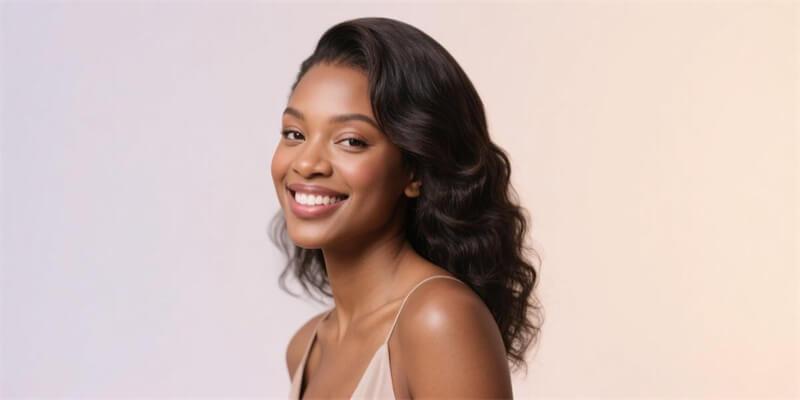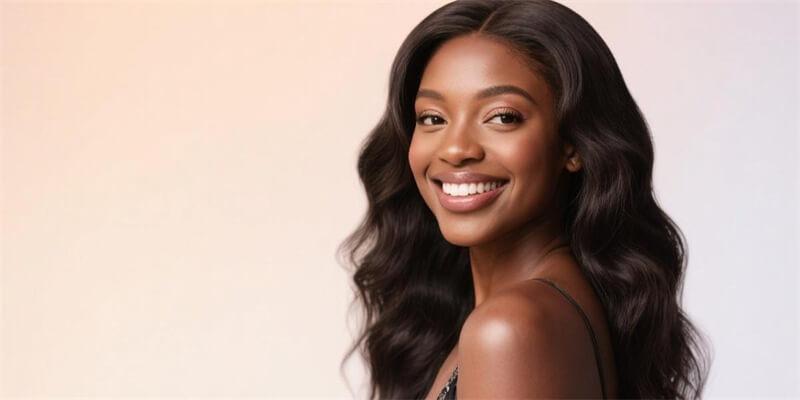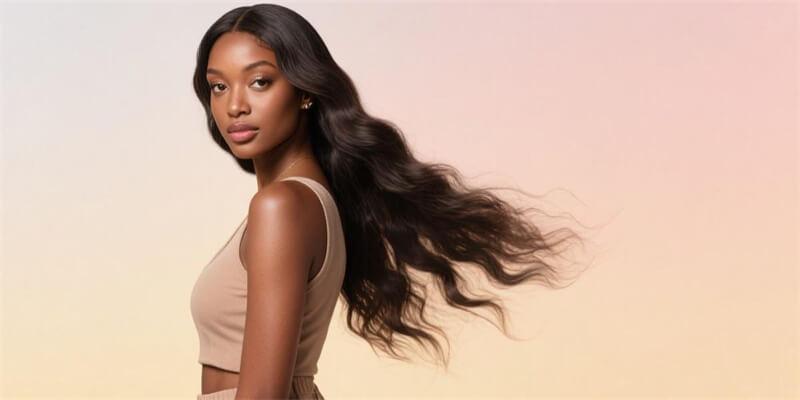
Walk into any beauty supply store, and you'll see the same wall of choices: Brazilian, Peruvian, Malaysian, Indian. They're all 100% human hair — and they all behave differently once installed. Human hair weave is the most popular grade of weave hair because it can be reused across multiple installs and even color-treated at home.
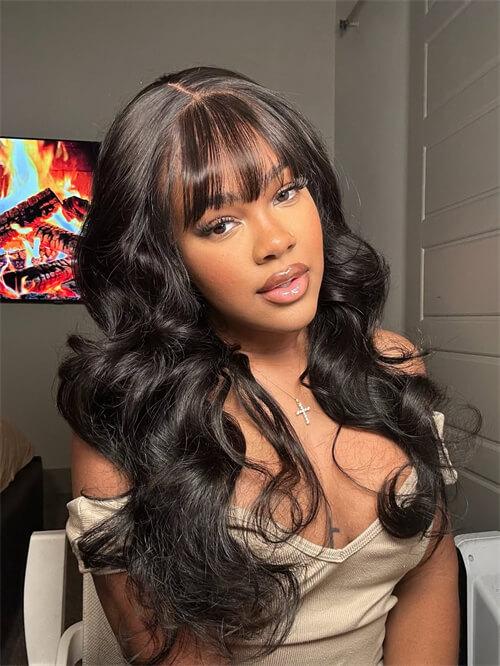
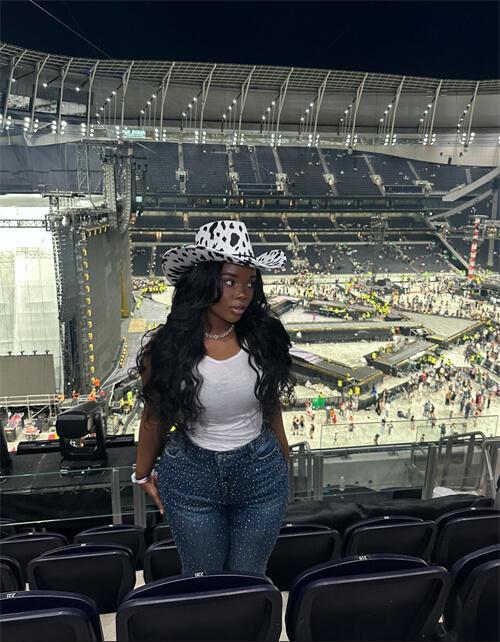
Model: @thegirlbai | Wig by UNice
If you've been wondering which hair is best — Brazilian, Malaysian, Peruvian, or Indian — the honest answer is that each one wins at something different. These four are the most common hair weave types on the market, and each comes with its own texture and wave patterns, from straight and wavy to deep wave and tight kinky. The right pick depends on the look you want, your natural hair texture, and how you plan to style it.
Which Hair Is Best? The Short Answer
Quick answer:
- Want big volume and curls that hold up in humidity? Choose Brazilian.
- Sleek, shiny, and low-maintenance? Malaysian.
- Lightweight body with easy waves? Peruvian.
- Soft, versatile hair that blends with almost any texture? Indian.
The full breakdown below explains why — and helps you decide in under a minute.
What All Four Hair Types Have in Common
Model: @tawanatr | Wig by UNice
All virgin hair or Remy hair types have natural movement, minimal shedding, and minimal tangling. Each texture can be processed into wavy, straight, or curly styles. You may also notice that colors are not perfectly even throughout a bundle — a few strands run lighter or darker than the rest of the weft. That is typical of real human hair, which lightens slightly with sun exposure, and it is a sign of authenticity rather than a flaw.
Brazilian, Malaysian, Peruvian & Indian: The Key Differences
Here's the side-by-side view, followed by a closer look at each hair type.
| Hair Type | Texture & Density | Best For |
| Brazilian Hair | Thick, soft, and naturally wavy; high density | Volume, curl hold, and humidity resistance |
| Malaysian Hair | Silky, straight, and smooth; medium to high density with high luster | Sleek, glossy styles with low maintenance |
| Peruvian Hair | Lightweight with more body, soft but slightly coarse; low to medium density | Frequent restyling and everyday waves |
| Indian Hair | Thick, bouncy, and naturally straight or wavy; medium density | Lightweight everyday wear that blends easily |
Brazilian Hair: Best for Volume & Curl Hold
Brazilian hair bundles are naturally thick, soft, and durable. Because the texture runs dense, it blends easily with most hair types — from Caucasian textures to relaxed African-American textures — and it remains one of the most popular choices worldwide.
Best for:
- Maximum volume and body, thanks to naturally high density
- Curls that hold their shape better than most textures
- Reliable wear in humid weather — Brazilian hair holds up well where other textures tend to frizz
Keep in mind:
- The extra density adds weight, so styles have slightly less movement
- Tight Brazilian curl patterns can be difficult to flat-iron sleek, and they won't hold a pin-straight style for long
One more thing to plan before you order: Brazilian bundles are dense, so it usually takes fewer wefts to cover a full head. Our guide to how many bundles you'll need does the math by length and texture.
Malaysian Hair: Best for Sleek, Glass-Like Shine
Malaysian hair is prized for one thing above all: shine. The texture is silky, straight, and smooth, with a medium-to-high luster that reads as healthy and polished. True Malaysian-sourced hair is rare — much of what is sold under the Malaysian label is selected for this silky profile. Most temple-donated hair actually enters the market from South and Southeast Asia, where donated hair feeds the global human hair trade (The Market for Human Hair — background reading on how that market works).
Best for:
- Sleek, polished styles with a glass-like shine
- Light, airy movement at a medium-to-high density
- Less tangling — Remy-processed cuticles lie aligned in one direction
Keep in mind:
- Genuine Malaysian-sourced hair is rare, so specific textures can sell out and prices may run higher
- The straighter profile means fewer built-in wave options than Brazilian or Peruvian hair
Peruvian Hair: Best for Lightweight Body & Waves
Peruvian hair bundles are built for frequent restyling — you can curl, wave, and switch up your look again and again without wearing the hair down. The texture has more body than Brazilian hair and runs slightly coarser, but it is still soft, with a gentle natural wave. Because genuine Peruvian hair is relatively rare, it usually costs a bit more than the other types.
Best for:
- Restyling often — the durable strands hold a steam-processed wavy pattern well over time
- Lightweight volume that never feels heavy on your head
- A soft, touchable texture that still has natural body
Keep in mind:
- The texture runs slightly coarser than Brazilian or Malaysian hair
- Natural shades lean toward light brown and deep brown rather than jet black
Indian Hair: Best for Everyday Versatility
Indian hair bundles are popular for their length, softness, and bounce. The hair is naturally light and airy, moves effortlessly, and styles with minimal fuss — which makes it a go-to for everyday wear. Naturally dark brown, it blends with virtually every hair type. One thing to plan for: in foggy, humid weather, it tends to frizz and swell, so keep a light, alcohol-free anti-frizz serum on hand. (If humidity frizz is your recurring enemy, the chemistry behind it — hydrogen bonds in the hair shaft absorbing moisture — makes for a fascinating read on why hair turns frizzy in humid weather.)
Best for:
- Lightweight, bouncy movement for daily styles
- Blending with almost every natural hair texture
- Tangle-resistant strands that are easy to style
Keep in mind:
- Frizzes and swells in humid weather without anti-frizz care
So, Which Hair Is Best? A Quick Decision Guide
Short answer: which hair is best depends on your top priority. Brazilian hair is best for volume and humidity resistance, Malaysian for a silky low-maintenance finish, Peruvian for frequent restyling, and Indian for lightweight everyday wear. All four are excellent when you buy from a trusted virgin hair manufacturer.
Here's the 30-second version:
- Pick Brazilian if you want the fullest look and curls that survive humid days
- Pick Malaysian if sleek, shiny, wash-and-go hair is the goal
- Pick Peruvian if you restyle often and want body without the weight
- Pick Indian if you want soft everyday versatility that blends with your natural hair
- Beginners: start with Indian or Malaysian — both are forgiving and low-maintenance. Planning a sew-in? Our guide to the best hair for your sew-in breaks down each option for that install.
Each of the four has real strengths, and none is objectively “better” — the best choice is the one that matches your natural texture, the look you're going for, and your budget.
Care Tips for Every Hair Type
- For all hair types, including virgin hair wigs and Remy hair bundles, air-drying is highly recommended after a how to wash and condition human hair session.
- Co-wash at least once every 2–3 weeks — dermatologists at the American Academy of Dermatology recommend the same gentle wash cadence for thick, textured hair.
- Skip heavy styling products and oils (like pink lotion) between washes. They seep into the hair, weigh it down, restrict movement, and can lead to tangling.
- Use alcohol-free serums so the hair stays moisturized without drying out or frizzing.
FAQs About Choosing the Best Hair Type
Which Hair Type Blends Best With Natural Hair?
Indian and Brazilian hair are the most common picks because their density and movement sit close to many natural textures. That said, the best match always comes down to your own hair — silky, voluminous, or coarse — and how you prep your leave-out. Our guide to how to blend your weave with your natural hair walks through texture matching, color matching, and edge blending step by step.
Is Virgin Hair Better Than Remy Hair?
Virgin hair is unprocessed — never dyed, bleached, or permed — so the cuticle remains fully intact. Remy hair is collected with all cuticles aligned in one direction, which reduces tangling but allows some processing. Both are quality options, but virgin hair typically lasts longer and gives you more flexibility with color and heat styling.
Which Hair Is Best for Everyday Wear?
Indian and Malaysian hair are the most popular for daily wear — both are lightweight, soft, and easy to maintain. They hold up well to work, school, and workout routines without demanding much extra care, which makes them the textures people repurchase most often for everyday installs.
Why Does Human Hair Sometimes Feature Different Colors Within One Bundle?
That's completely normal — and it's part of the authenticity of real human hair. Strands collected from natural sources vary slightly, and hair that has been exposed to sunlight runs a little lighter. Slight shade variation within a bundle is a sign of genuine human hair, not a defect.
Which Hair Type Lasts the Longest?
With the same care routine, Brazilian and Peruvian hair tend to have the edge on longevity because both are naturally thick and durable. Malaysian hair keeps its shine longest with gentle washing, and Indian hair stays soft with regular conditioning. Whichever you choose, a consistent wash-and-condition schedule matters more than the origin label on the bundle.
Still deciding? Browse our roundup of easy, low-maintenance styles to start with — many of them pair perfectly with Indian or Malaysian bundles, our two most beginner-friendly textures.