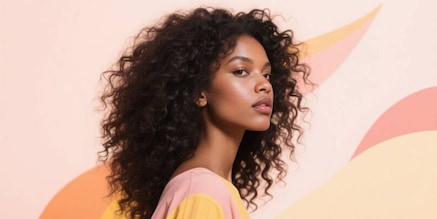
Jheri Curl: A Nostalgic Revival with Modern Flair
The Jheri curl, a glossy, cascading hairstyle synonymous with the 1980s, is making an unexpected comeback. Once a symbol of Black cultural pride and mainstream pop culture, this iconic look has evolved into fresh, contemporary styles while retaining its nostalgic charm. But what exactly is a Jheri curl? How does it work, and why is it resurfacing in modern beauty trends? In this blog, we'll explore its origins, application methods, modern styles, and everything you want to know.
What Is a Jheri Curl?
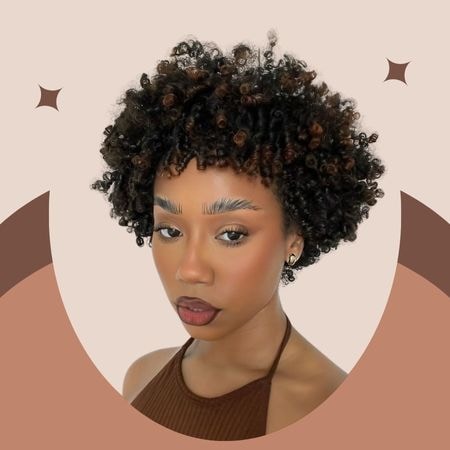
Source: Pinterest
The Jheri curl (also called "Jerry curl") is a chemical hair treatment that creates loose, bouncy curls with a signature wet-look sheen. Developed in the 1970s by Jheri Redding, a pioneering chemist and founder of the Redken Company, the style gained prominence through celebrities like Michael Jackson and Eazy-E. Unlike natural curls, the Jheri curl relies on a two-step process: a sodium hydroxide relaxer to break down hair bonds, followed by a curling solution to reshape strands into glossy waves. Its popularity soared in the 1980s, symbolizing both individuality and cultural unity.
Pros and Cons of Jheri Curl
Before you try this style, it's good to know both the upsides and downsides.
- Pros:
- That iconic glossy "wet look" style
- Soft, well-defined curls
- Has a strong cultural and fashion history behind it
- Adds volume and movement to your hair
- Cons:
- It's high maintenance – you have to moisturize every single day
- Can get pretty greasy if you use too much activator
- The chemical process can dry out or damage your hair
- Not a great fit if you want a low-maintenance routine
How to Get Jheri Curls: A Simplified Guide
Here's a streamlined breakdown of the traditional Jheri curl process, structured for clarity and flow. I'll keep it conversational yet professional, drawing from my experience styling textured hair:
Step 1: Prep Smartly
Gather a Jheri curl kit (softener, setting solution, perm rods) and essentials like activator and a shower cap. Pro tip: I always recommend checking expiration dates—old chemicals can compromise results.
Step 2: Soften your Hair
Apply the softener evenly, smoothing hair to relax natural texture. Remember to time this precisely, over-processing will weaken strands. Then rinse thoroughly.
Step 3: Section & Set
After towel-drying, divide hair into even sections. Here's where technique matters: smaller perm rods create tighter curls, while larger ones add volume.
Step 4: Process & Rinse
Follow the solution's timing to the minute. I've seen clients risk breakage by ignoring this! Rinse for 10+ minutes—skimping here leaves damaging chemicals trapped.
Step 5: Maintain Mindfully
Daily activator application keeps curls defined and moisturized. You can also seal with a silk-lined cap overnight to protect both curls and bedding. While this method delivers iconic shine, the chemical intensity isn't for everyone. If you want to operate, please consult a professional stylist in advance.
Modern Jheri Curl Hairstyles is Reinventing the Classic
We could say that the Jheri curl's resurgence is partly driven by Gen Z's fascination with Y2K aesthetics and TikTok's viral embrace of retro trends. Today's Jheri curl isn't your uncle's 1980s throwback. Stylists are blending retro vibes with edgy cuts:
Jheri Curl Mullet
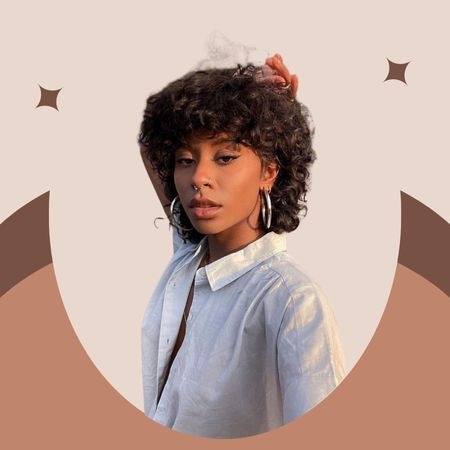
Source: Pinterest
The mullet has had a resurgence in the 21st century, and the Jheri curl mullet is no exception. Celebrities like Lil Nas X and Janelle Monáe have experimented with modern Jheri curls, proving the style's versatility beyond its retro roots. The mullet's "business in front, party in the back" ethos pairs perfectly with cascading curls.
Jheri Curl Afro
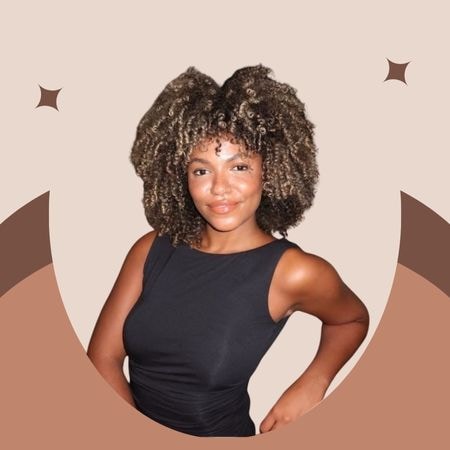
Source: Pinterest
The Jheri curl afro offers the volume of an afro with the sleekness of Jheri curls, using lighter products for bounce without the characteristic "drip."
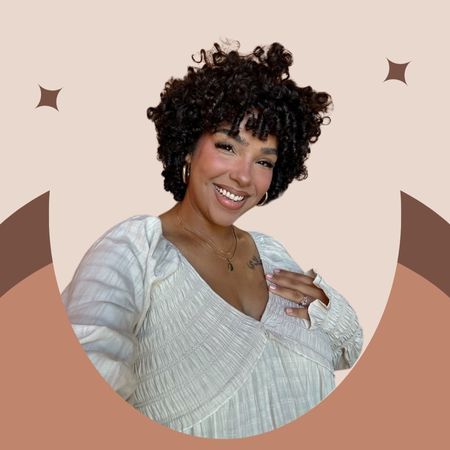
Jheri Curl on Short Hair
Source: Pinterest
Jheri curls now suit shorter hair, such as tapered cuts, adding texture and movement for gender-neutral styles. Short haircuts offer defined, airy, and manageable curls.
If you like this hairstyle, you can also try a wig or Jheri curl weave. Here are some of our best-selling Jheri curl wigs and hair weaves in a variety of colors and lengths for you to choose from.
How to Maintain a Jheri Curl
- Use curl activator every day – it keeps your curls shiny and hydrated.
- Sleep with a plastic cap or satin scarf – that locks in moisture overnight.
- Wash your hair every 1–2 weeks – use a sulfate-free shampoo and a deep conditioner.
- Never use a brush – use your fingers or a wide-tooth comb on wet hair instead.
- Avoid heat styling – no blow-dryers or flat irons.
- The golden rule: Your hair should always look and feel wet. Dryness will ruin the style.
FAQ About Jheri Curls
How long does a Jheri curl last?
A properly maintained Jheri curl typically lasts 6 to 12 weeks, depending on hair type, aftercare routine, and how frequently it is refreshed. To extend its longevity, regular use of moisturizing products (e.g., activator sprays) and avoiding overwashing are critical. Over time, natural hair growth and chemical breakdown will require touch-ups or a full reapplication.
Are Jheri curls and Gina curls the same?
Yes, the Gina Curl is essentially synonymous with the Jheri Curl. The term "Gina Curl" emerged as a modern rebranding of the same chemical process, popularized in specific regions or salons to refresh the style's appeal. While marketing names may differ, the core technique remains identical: a chemical relaxer is applied to alter the hair's structure, followed by rods to create defined curls, and a moisture-rich regimen to maintain the signature glossy finish. Minor differences, if any, would lie in styling preferences (e.g., curl tightness) rather than the fundamental method.
Do Jheri curls damage hair?
Yeah, they can if you're not careful. Those chemicals strip a lot of moisture out, so your hair gets dry and brittle over time. But honestly, if you stay on top of it—like using curl activator every single day and really loading up on moisturizer—you can keep it from breaking off. A lot of people just get lazy, and that's when the damage happens.
How much does a Jheri curl cost?
Depends. A salon will charge you anywhere from $200 to $300+, sometimes more if you're in a big city or going to someone popular. Or you can grab a home kit for like eight bucks—seriously, back in the day, the Curly Kit was around $8. But here's the thing nobody tells you: the real cost is the upkeep. You're gonna be buying activator spray, conditioners, all that stuff, and it adds up over time.
Is a Jheri curl permanent?
Kinda, yeah. It's a perm, so whatever hair you have when you get it done? That's permanently changed. But your roots will grow in straight, so you'll need touch-ups every couple of months if you wanna keep the look. It's not a one-and-done thing.
How long does a Jheri curl take?
Plan on sitting in that chair for two to three hours. If your hair is long or thick, it could stretch to four or even six hours. It's not quick. Bring a snack or something to do.
Conclusion
Whether you're drawn to its retro glamour or contemporary twists, this iconic style remains a testament to self-expression. As beauty trends cycle, the Jheri curl proves that some legends never go out of style. Ready to embrace the modern Jheri curl hairstyles? Consult a trusted stylist, stock up on activator spray, and let those curls shine!