

Let’s be real—buying a wig can feel like navigating a maze. With countless styles, materials, and price points, it’s tough to know if you’re investing in something fabulous or falling for a dud. But whether you’re new to wigs or a seasoned pro, knowing how to identify a quality wig is the holy grail of looking effortlessly flawless. Here’s your no-BS guide to separating the high-quality wigs from the dollar-store duds.
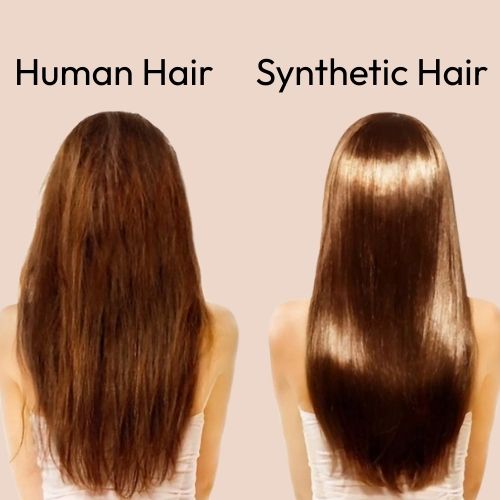
Human Hair vs. Synthetic: Know Your Fiber
Source: Pinterest
Quality starts with what’s on your head—literally.
Human hair wigs: They are the gold standard. They’re soft, can be heat-styled, and mimic natural movement. But they’re pricey.
Synthetic wigs: They’re budget-friendly but often look… well, synthetic.
Pro tip: High-quality synthetic fibers (like heat-defiant brands) can mimic human hair surprisingly well these days. Check for terms like "heat-friendly" or "kanekalon"—they’re worth the splurge.
Related Articles: Synthetic Vs. Human Hair Wigs, Which One Is Better?
Some High Quality Human Hair Wigs for You
Wig Cap Construction: Where Comfort Meets Realness
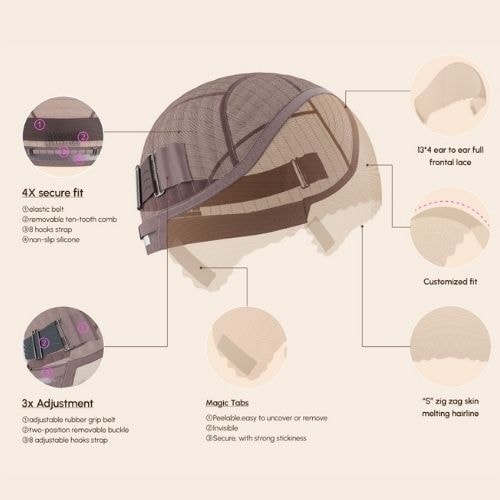
The cap is the wig’s foundation. A poorly made cap = discomfort and a fake-looking hairline. Here’s what to look for:
Lace Front Caps
Source: UNice Hair
● Features a sheer lace panel along the front hairline for a “hair growing from scalp” illusion.
● Quality check: The lace should blend seamlessly with your skin tone and have individually hand-tied hairs (no clumps!).
Monofilament Tops
● Features a breathable mesh with individually knotted hairs for realistic parting and natural scalp visibility.
● Red flag: If you see obvious grid-like patterns or bulkiness, walk away.
100% Hand-Tied Caps
● The crème de la crème. Every hair is hand-sewn into a flexible cap for ultra-natural movement.
● Expect a higher price tag, but the comfort and realism are chef’s kiss.
Density & Thickness: Less Is More (Sometimes)
Source: Pinterest
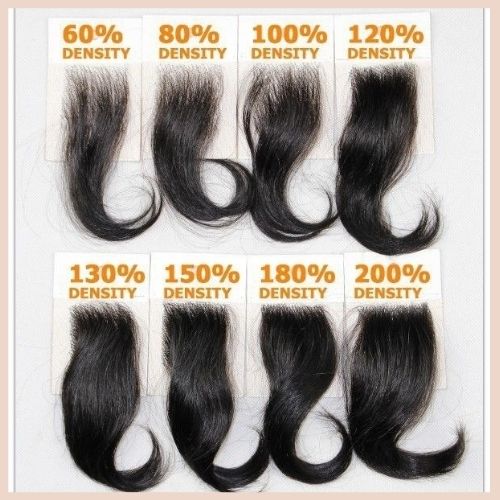
Density = how much hair is on the wig. Too thick? It’ll look like a helmet. Too thin? Hello, scalp visibility.
1️⃣ Low Density (130%): Perfect for thin, natural-looking hairstyles.
2️⃣ Medium Density (150%): A great middle-ground that works for most hairstyles.
3️⃣ High Density (180%+): Provides fuller, voluminous looks, often used for glamorous styles.
Pick a wig density that matches your head size, comfort preferences, and desired style. A good wig balances density and weight for comfortable, natural wear.
Read More: 150 VS. 180 VS. 200 Density Wigs, Which One Is Best?
Knots & Bleaching: The Devil’s in the Details
Source: UNice Hair
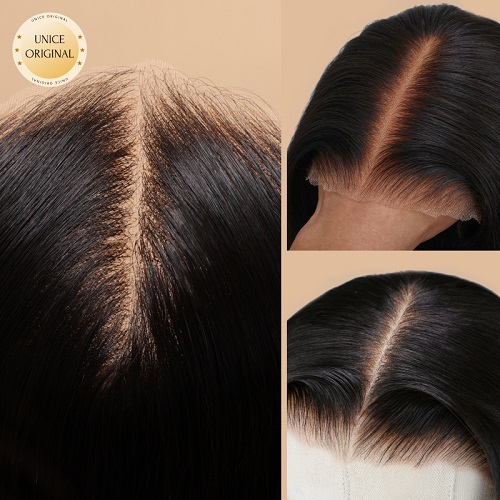
🌟 Knots: These tiny knots secure each hair to the cap. Cheap wigs have bulky, visible knots, while quality wigs use single-knotting or bleached knots for a seamless blend.
✨ Bleaching: Properly bleached knots lighten the base, making them invisible against your scalp. Test it: Hold the wig under bright light—if you see dark speckles, it’s a pass.
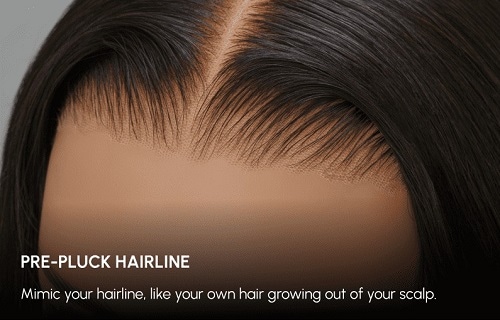
Hairline & Parting: The “Tell” of a Fake
Source: UNice Hair
A bad hairline screams wig. Here’s how to avoid it:
✨ Pre-plucked hairlines: Tiny, uneven baby hairs along the front make it look lived-in.
🎨 Parting Space: Try parting the wig in different directions. If the cap is visible or the part looks "sewn in," it’s a cheapie. Monofilament or hand-tied caps allow for realistic, adjustable parts.
Color & Style: Versatility Matters
Source: UNice Hair
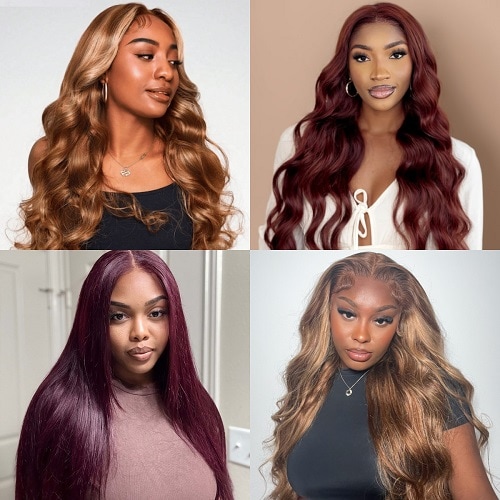
A good wig shouldn’t box you into one look. Check for:
✨ Multi-Dimensional Color: Avoid flat, single-tone shades. Look for subtle highlights/lowlights or ombré effects.
🎨 Styling: The haircut should naturally match the advertised style, holding its shape without appearing stiff or processed, regardless of hair type.
Shedding & Tangling: Give It Gently Comb
To test for shedding and tangling, lightly comb the wig with a wide-tooth comb or fingers.
✅ A high-quality wig should shed very little and not tangle easily.
❌ Excessive shedding or matting, especially after one or two wears, indicates poor wefting or hair processing.
Read More: Expert Tips: How to Safely Detangle Your Human Hair Wig
Longevity & Maintenance: Invest Wisely
⚡ Human hair: Lasts 1–3 years with regular conditioning, minimal heat, and proper storage.
🌟 Synthetic hair: Replace every 3–6 months. No heat, no sulfates, and store it on a wig stand.
Tips: A high-quality wig is an investment. If it’s cheap, you’ll pay for it in awkward stares and constant fixes.
Read More: How Long Do Wigs Last? A Complete Guide to Extending Their Life
Final Takeaway
A great wig enhances your beauty subtly, like good makeup. Prioritize breathable caps, realistic hairlines, and quality craftsmanship. And remember: even the priciest wig won’t work if it doesn’t make you feel like you. Now go slay, and let the "Is that her real hair?" whispers begin.