
Let’s be real about one thing - windy days can test the soul of any wig lover. There’s no denying that most of us have found ourselves freezing in place with a white-knuckle grasp on our heads when the wind suddenly rolls through.
Wigs don’t simply fly off at the first sign of a windy day. Instead, it presents a great opportunity to assess the security of your wig. You can quickly inspect how well your wig is secured, if you picked the appropriate type of wig for your hair, and if your braid down or wig grip is properly in place. If you're tired of struggling to keep your wig in place in the face of nature’s elements, then read on. In this article, you'll find out all there is to know about securing your wig to your head in any weather.
Can a Wig Stay On in Strong Wind?
Yes, a wig can stay on in strong wind if it is properly secured.
Most wigs come with adjustable straps and other accessories to help the wearer properly secure the wig to their head. These are enough to secure the wig in moderate wind conditions.
In strong winds, the lace front of the wig may lift due to the following reasons:
- The wig is too loose for the wearer
- No grip or securing accessory is used with the wig
- The wearer is moving quickly outdoors in strong wind
In these cases, the issue is not with the wind but how the wig is secured to the wearer’s head.
How Windy Is Too Windy for a Wig?
There is no exact answer to how windy it is too windy for a wig to remain secure. However, there are some environments and situations with strong winds that will pose a threat to the security of a wig.
For example, in the following situations, the wig might not remain secure:
- Strong gusts of wind
- Windy outdoor environments
- Racing or fast movement with the effects of the wind
- Wigs that are not secured in place
In these situations, even the best wigs might experience shifting while wearing them.
Can a Glueless Wig Stay on in High Winds?
In theory, yes. Glueless wigs have a variety of security features built into the wig that will allow it to remain secure in place while the individual is wearing it. These features include elastic bands and anti-slip materials.
Thus, glueless wigs will survive high winds and be able to remain secure. However, depending on the individual wig, it might not be able to retain its secure footing in high-wind environments. The more basic glueless wigs will shift more than the upgraded anti-slip designs. That is why newer designs focus on improving internal stability rather than relying on adhesive.
For example, no-slip wig constructions like those in UNice are designed with built-in silicone strips and secure fit engineering. These wigs aim to reduce slipping even in windy outdoor conditions while remaining completely glue-free.
How to Keep a Wig on in the Wind?
If you often wear wigs outdoors, especially in windy environments, choosing the right securing method makes all the difference.
Wind doesn’t automatically cause wigs to fall off—it usually exposes weak installation or lack of grip support. Below are the most effective ways to keep your wig secure in different wind conditions.
Choose a Proper-size Wig
As mentioned above, a loose wig may be easy to blow off, while a tight wig will cause headaches more or less. Therefore, bear in mind that it is very vital to measure exactly the head size to ensure the wig fits your head perfectly.
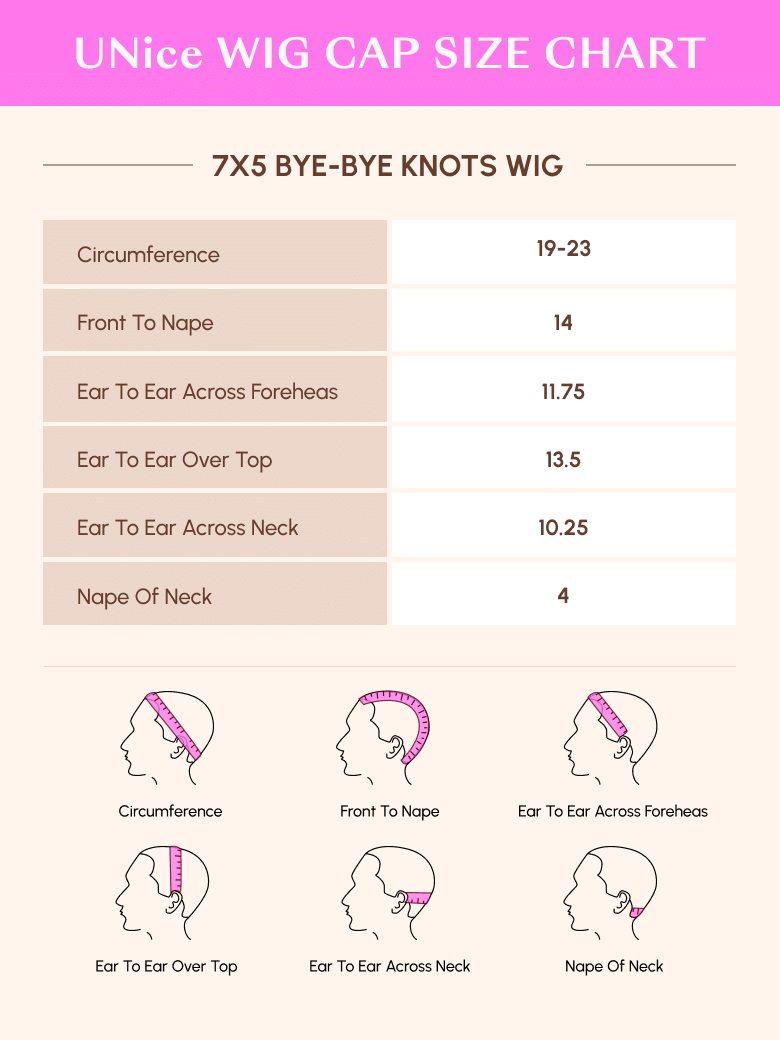
Source: unice.com
You can directly go to a hair store and ask for the seller to measure the size of your head, which will help you get the right wig and avoid wig blowing in the wind. You can also measure your head size by yourself and then ask the wig manufacturer to customize your own human hair wig.
Use Wig Grip (Best for Daily Wind Protection)
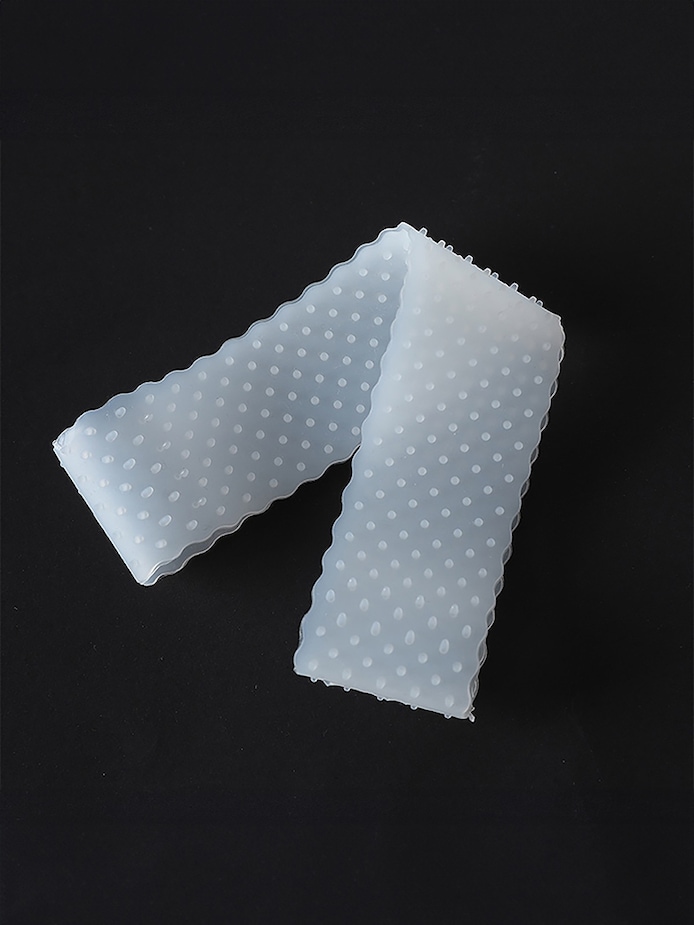
A wig grip band is one of the most popular no-adhesive solutions. It creates friction between your scalp and the wig cap, helping reduce movement caused by wind.
It works especially well for:
- Light to moderate wind
- Daily commuting
- Long wear without discomfort
👉 It’s not the strongest hold, but it offers the best balance of comfort and stability for everyday use.
Use Wig Tape
Wig tape may not be suitable for everyone. If you still have natural hair or sensitive edges, frequent use may cause discomfort or stress on the hairline.
It works best for:
- Strong wind or outdoor events
- Long-term wear
- Situations where maximum hold is needed
👉 For a more gentle daily option, wig grip bands or elastic band wigs may be a better choice.
Wig Glue (Maximum Hold for Extreme Conditions)
Same with wig tape, wig glue is an extremely secure method of wig attachment. However, you could potentially rip out hair when you remove it. If you have hair or sensitive skin, please avoid wig glue.
They are best for:
- Strong gusts of wind
- Outdoor events or performances
- Long-duration wear where security is priority
However, they require more preparation and are not always suitable for daily use.
Wig Clips & Combs (Best for Extra Anchoring)
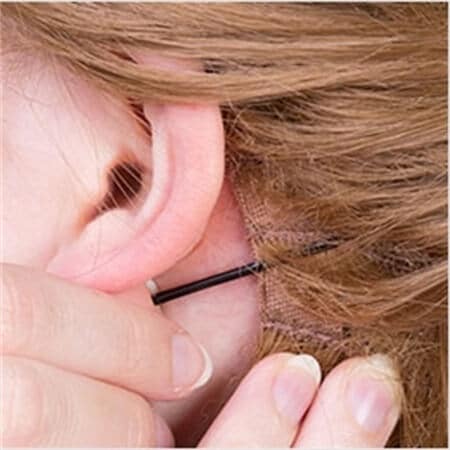
Clips and combs attach the wig to your natural hair, adding extra points of support.
They are useful when:
- Wind conditions are stronger
- You need additional stability at the crown or sides
- You want reinforcement for lace front wigs
However, they may feel less comfortable for sensitive scalps if used for long periods.
Elastic Band Wig Construction (Best Glueless Secure Option)
Many modern wigs include an adjustable elastic band sewn into the cap. This helps anchor the wig more tightly to your head without glue or tape.
It performs well in:
- Moderate wind
- Outdoor walking
- All-day wear scenarios
Compared to wig grips, elastic bands provide more “built-in” security because they are part of the wig structure itself.
Wig Grip vs Elastic Band vs Glue: Which Is Best for Wind?
When it comes to keeping a wig secure in windy conditions, not all methods perform the same.
Some focus on daily comfort, while others prioritize maximum hold for extreme situations. To help you choose the right option, here’s a simple comparison of the three most common wig securing methods and how they perform specifically in wind.
| Method | Wind Hold Level | Comfort | Best For |
| Wig Grip Band | Medium | High | Daily wind protection |
| Elastic Band Wig | Medium–High | High | Glueless secure wear |
| Clips & Combs | Medium | Medium | Extra stability support |
| Wig Glue | Very High | Medium–Low | Strong wind / long wear |
Summary
Let’s set the record straight: wind isn't your enemy—a loose install is. If you’re tired of the constant "hold-your-breath-and-grab-your-head" routine every time a breeze kicks up, it’s time for an upgrade.